Twitch now suspends streaming and chat separately
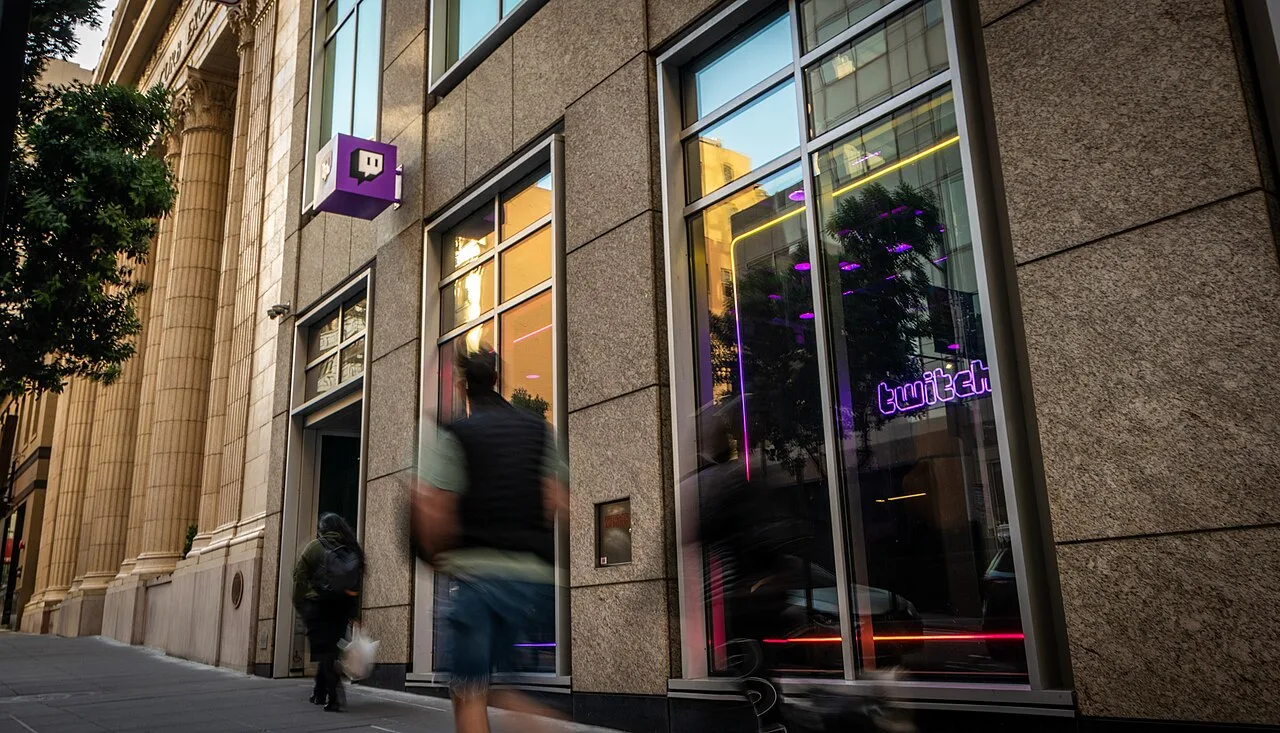
Twitch no longer removes a user from the whole service for a temporary suspension. Earlier this year the platform replaced that all-or-nothing approach with separate penalties for streaming and for chatting. Christine Weber, the company's chief technology officer and global head of trust and safety, described the change in an interview.
Suspensions now target the place where the violation happened. "People make mistakes. It happens. We just tell them they can't chat for a while," Weber says. She calls the old system more binary: users were cut off for a set time whatever the impact of their offense.
Severe cases still get both
The most serious violations, the ones that pose the greatest risk to community safety, still bring both a streaming and a chat suspension. Some offenses can still end in a full suspension. A streamer whose broadcast crossed a line can also get a day-long streaming suspension.
Each penalty comes with an explanation of what the user did wrong. Weber says education of streamers and viewers is a priority.
What the data show
Twitch's internal figures say 2% of active users have received a suspension. Of those, 90% never reoffend. Repeat violations draw escalating penalties. "Kind of like getting a speeding ticket," Weber says.
She adds that people who only want to cause trouble still show up, and that the company moves to identify and remove them quickly.
The service has five million streamers live each month and a global audience of more than 100 million viewers a month, according to Weber.
Tools behind the penalties
A prompt asks chatters whether they really want to send a message that may be read the wrong way. Messages that look questionable are held until a moderator approves or rejects them. Streamers without a human moderator can set Twitch's tools to be very conservative about what reaches chat.
Humans stay in the loop on decisions, Weber says, because judging live content takes nuance that AI cannot handle consistently. AutoMod does scan chat in real time and blocks messages the company is highly confident are harmful.
Viewer reports cover what automation misses. A moderation staff works around the clock, triages the reports and handles the most harmful first. More than 80% are dealt with in under 10 minutes, Weber says.
"A streamer is responsible for what happens in their chat," Weber says, and chatters share that responsibility. Twitch's community guidelines are "essentially the floor," and streamers can build on top of them. A creator can tell the community that vulgarity is off limits, and a tool helps moderators flag it and publishes that rule to chatters before they start chatting.
When trolling starts, a streamer can switch on Shield Mode with one click. It can slow chat or limit it to subscribers, among other settings. Streamers can also add content classification labels, such as marking a stream as inappropriate for youth or as political speech, so viewers know what a channel is about.
Weber says Twitch has seen creators arrive from other services over the last couple of years. After their streams, Twitch reports back to them on how the broadcast looked in terms of safety.
Source: Net Influencer