Independent sleep podcast takes Gold and Listener's Choice
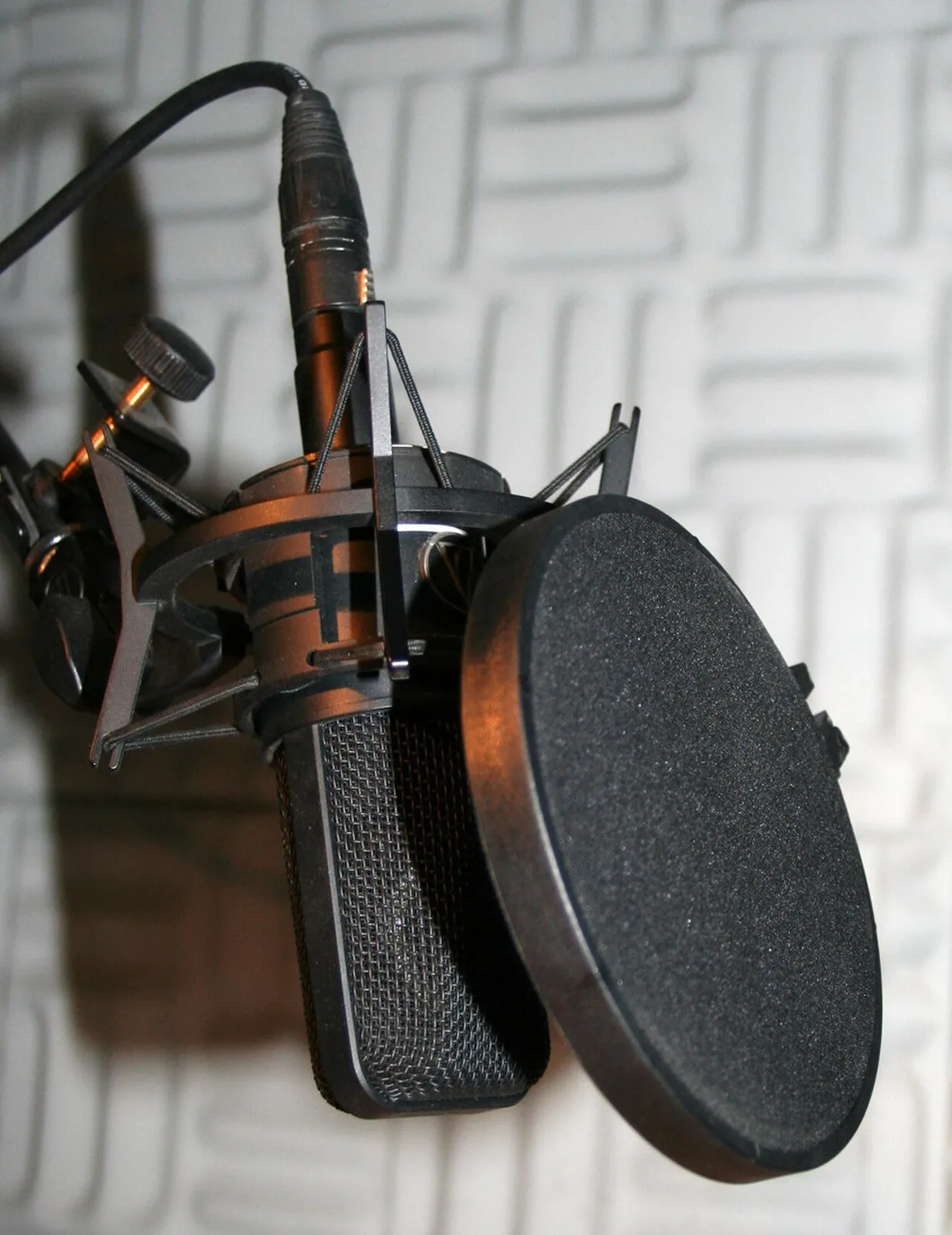
Michelle's Sanctuary, a bedtime-story podcast made by one person, won Gold and Listener's Choice honours in the Sleep Podcast category at the fifth annual Signal Awards. Michelle Hotaling told PodcastingToday that other contenders included productions associated with iHeartRadio and Netflix.
Hotaling is a former actress and singer-songwriter. She writes, narrates and produces the material herself, including the soundscapes and original music behind each episode. The show is independently produced through Dreamaway Visions LLC.
From YouTube to podcast
The project started on YouTube in 2015 and became a podcast a couple of years later. It grew significantly during the pandemic, when people spent more time at home and under more stress.
Hotaling's own insomnia inspired it. She found sleep meditations on YouTube about 15 years ago and says they "completely remedied" her sleep issues. She wanted something more creative, built on her performance and storytelling background. "I just started doing these visual narratives," she said, describing a "bedtime vacation that anyone can take".
She chose podcasting because the stories are meant to be heard with the eyes closed. "People are meant to close their eyes and go inward," she said.
What the show offers
Some sessions are traditional sleep meditations on subjects such as trauma healing, pain relief and migraines. Others are longer narratives set in fictional communities with recurring characters. One series is set around a witch's cottage and has around 11 stories. Another takes place in a cosy Manhattan launderette.
She used to publish one story a week. Competition has pushed her to produce at least one story and one meditation every week, and sessions usually last around an hour. She has also worked with meditation platforms Wysa, Insight Timer and Better Sleep, where she was paired with psychologists to develop scripts.
Hotaling says the growing number of AI-generated channels and larger production companies makes it harder for independent creators to reach new listeners. Word of mouth has done much of the work for her, with therapists, doctors and fellow insomniacs recommending the show.
She does not present the podcast as a guaranteed fix. "I am just another tool," she said. "I encourage people to try and if it doesn't work, move on."
Source: PodcastingToday