Honor Magic9 Pro Max records video in ARRI's LogC3 curve
Honor's Magic9 Pro Max can now record video in the LogC3 curve, the tonal response of ARRI's professional cinema cameras. The catch: only two of its three rear cameras do it.
A close match in colour, a gap in detail
Reviewers from GSMArena were shown graded LogC3 studio footage from the phone, set next to material from the ALEXA Mini LF. In colour and tonal rendering, the phone came remarkably close to the cinema camera.
Sharpness and fine detail went the other way. The ALEXA Mini LF kept a clear advantage there, and the reviewers say outright that a smartphone does not replace a professional cinema camera.
Hardware sets another boundary. The ARRI-tuned video output runs on the main and telephoto cameras. The ultrawide does not get it.
What the two companies actually changed
Honor says it redesigned the phone's video-processing pipeline around the camera hardware. It also added its own imaging chip, the Honor H1. The chip cleans up noise on the RAW sensor data before any other processing happens, with the aim of keeping more detail and dynamic range.
ARRI's contribution is calibration. Output from the main and telephoto cameras was tuned to follow the LogC3 curve. In effect, the tonal behaviour of ARRI's cinema cameras was adapted to a phone sensor.
Shooting in LogC3 is now available on the Magic9 Pro Max. The phone also records in ARRI Wide Gamut 3, a colour space that lets footage move through established professional grading workflows. Together, the two make it easier to cut phone clips alongside ARRI camera footage in a consistent look.
For anyone who would rather skip grading, there is ARRI Looks, a set of 87 cinematic colour treatments that can be applied to the footage.
Why the ARRI name carries weight here
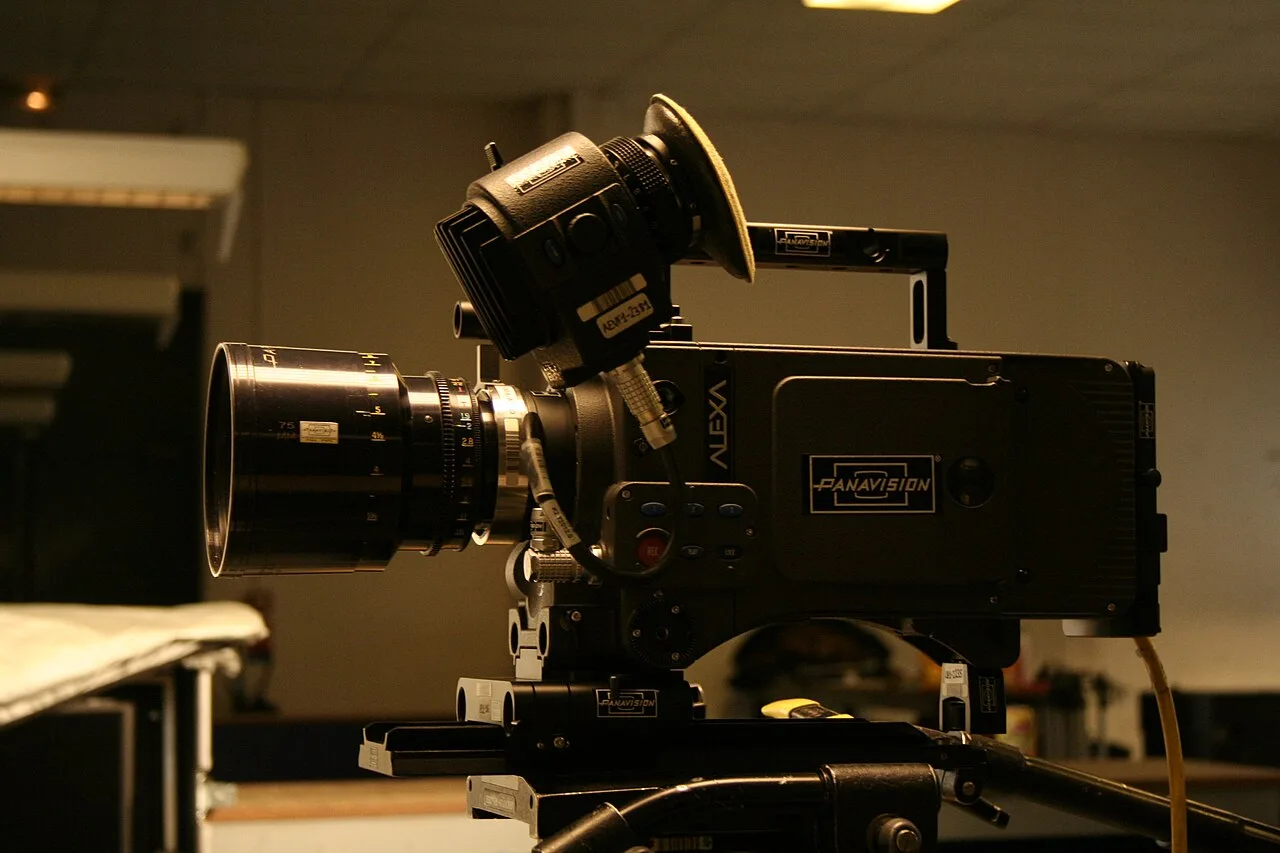
Honor invited reviewers to ARRI's facility in Burbank, just outside Hollywood, to explain the work. The cameras involved, the ALEXA LF and Mini LF, are prized for natural colours, wide dynamic range and smooth highlight roll-off. That last term means bright areas fade gently toward white rather than clipping at a hard edge.
The ALEXA LF records at 4.5K from a sensor slightly larger than full frame. With a sensor this big, a shallow depth of field comes without a tight frame, so the background blur does not force the shot to narrow.
A fully equipped setup with lenses and accessories can reach $100,000.
The partnership does not put cinema hardware in a phone. What carries over is part of the image science behind ARRI footage, and that is more than a colour filter.
Source: GSMArena.com