Next Xbox will play PC games but stays a console, Microsoft says
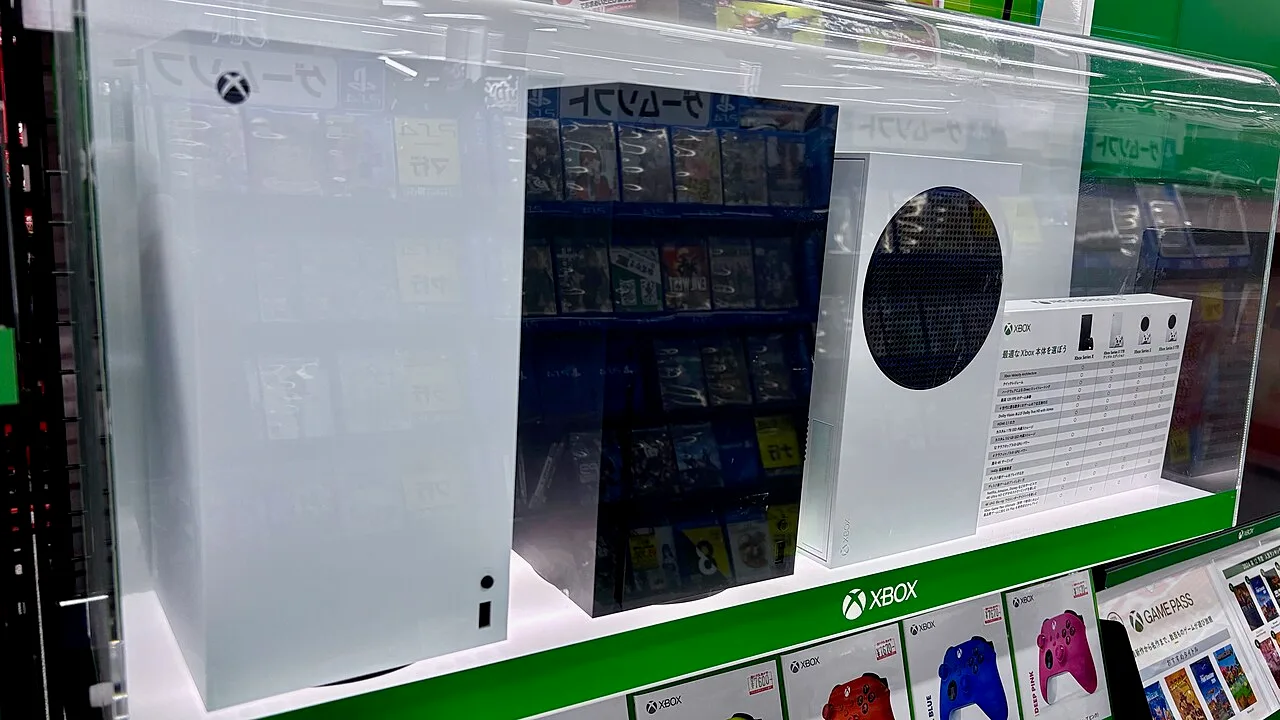
Microsoft wants its next Xbox to run games from your PC, yet it insists the box is a console first. The company laid this out in its 25th anniversary magazine, with a closer look at a system called Project Helix.
A console that also plays PC games
The design goal is stated flatly by Jason Ronald, Xbox's Vice President of Next Generation: "It is not a PC that can also play console games."
That sentence matters because Windows gaming and console gaming have long meant different things. A PC gives you freedom and chores. A console gives you a box that just starts the game. Microsoft is trying to keep the second experience while borrowing the first one's catalog.
Hardware costs and a different yardstick
Ronald acknowledged that higher prices for memory and other parts are shaping how Helix is built. He also suggested the next generation should not be judged by spec-sheet numbers such as 8K or 240Hz. In his view, fresh kinds of play and smarter ways of rendering count for more.
Neural rendering is a big piece of that pitch. Ronald describes it as "an entirely new way to generate a frame without requiring more computational horsepower". Put simply, software does more of the work, so image quality may improve without leaning on ever bigger and pricier parts.
How the PC side is supposed to feel
Microsoft says players should be able to open PC games without driver updates, tangled settings or manual hardware setup. Launching a game is meant to feel like pressing play on a regular Xbox. Enthusiasts still get deeper graphics and performance controls.
The ROG Xbox Ally is an early example. It already pulls titles from several PC stores into a single place. Helix is supposed to take that idea further, and Xbox owners should be able to bring their game collections and saved progress from four console generations.
Gaps in the plan
Microsoft has not settled which stores Helix will support, how compatible games will be, what it will cost or what the final hardware looks like. It plans to send alpha hardware to developers in 2027, so clear answers look some way off.
Source: Digital Trends