Why Apple's HomeView needs a nearby iPhone to work
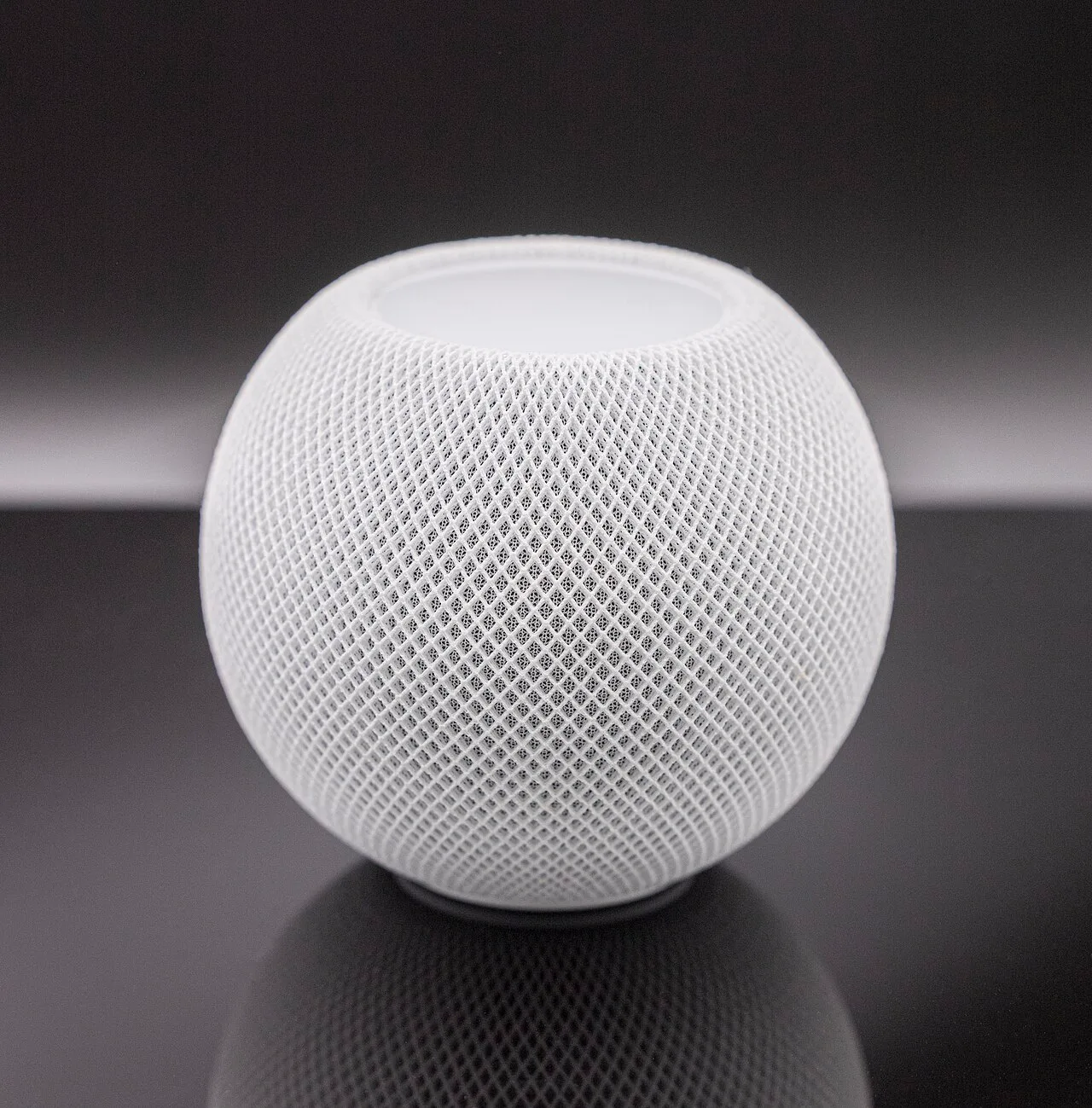
Apple's new HomeView smart display shows your messages and calendar only when a recently unlocked iPhone or iPad is close by. Apple staff say they do not see that reliance as a drawback.
Three conditions before your data appears
The display must recognize your face. Your paired iPhone or iPad must be present. That phone must also have been unlocked recently. Only then do items such as Messages or Calendar show up.
A person the HomeView does not recognize gets basic tasks and nothing more. When you walk off, your information goes with you. Matthew Costello, Apple's VP of hardware engineering, said it is not "posted on or housed on the device in any way."
Why the phone holds the data
The HomeView has to serve everyone in a household, so any member can turn off lights or see who is at the door. Nobody wants a parent's texts or calendar invites on that screen for the whole room to read. Face and voice recognition are built in, and the phone requirement adds a second layer.
Siri AI also needs the apps on your phone to give answers with personal context. Apple wanted to grant that access without exposing your data. Making the iPhone the only container for the information, and requiring it nearby, is how the company handles it.
Mirrored apps and a familiar feel
The HomeView does not run apps of its own. Its system works like CarPlay: whatever compatible apps you keep on your iPhone or iPad appear on the screen, alongside Apple's own Calendar, Messages, Reminders and Weather. There is no App Store download for it.
As on a HomePod, you can pass music and FaceTime calls to it. The recipe feature in Safari also starts from handoff, so another Apple device has to kick it off. Cecilia Dantas, from Apple's Home product marketing team, said the company does not treat that as a drawback: "It's not just dependency, it's also part of this ecosystem."
The HomeView has no buttons. Costello said the team always saw it as voice first and touch second. Dantas added that deciding which pieces of Apple's existing devices and services to bring along, and which to leave, was among the hardest parts of development.
The HomeView arrived this week after being announced last month.
Source: Engadget