Free ASFireWire driver revives FireWire interfaces on Apple Silicon
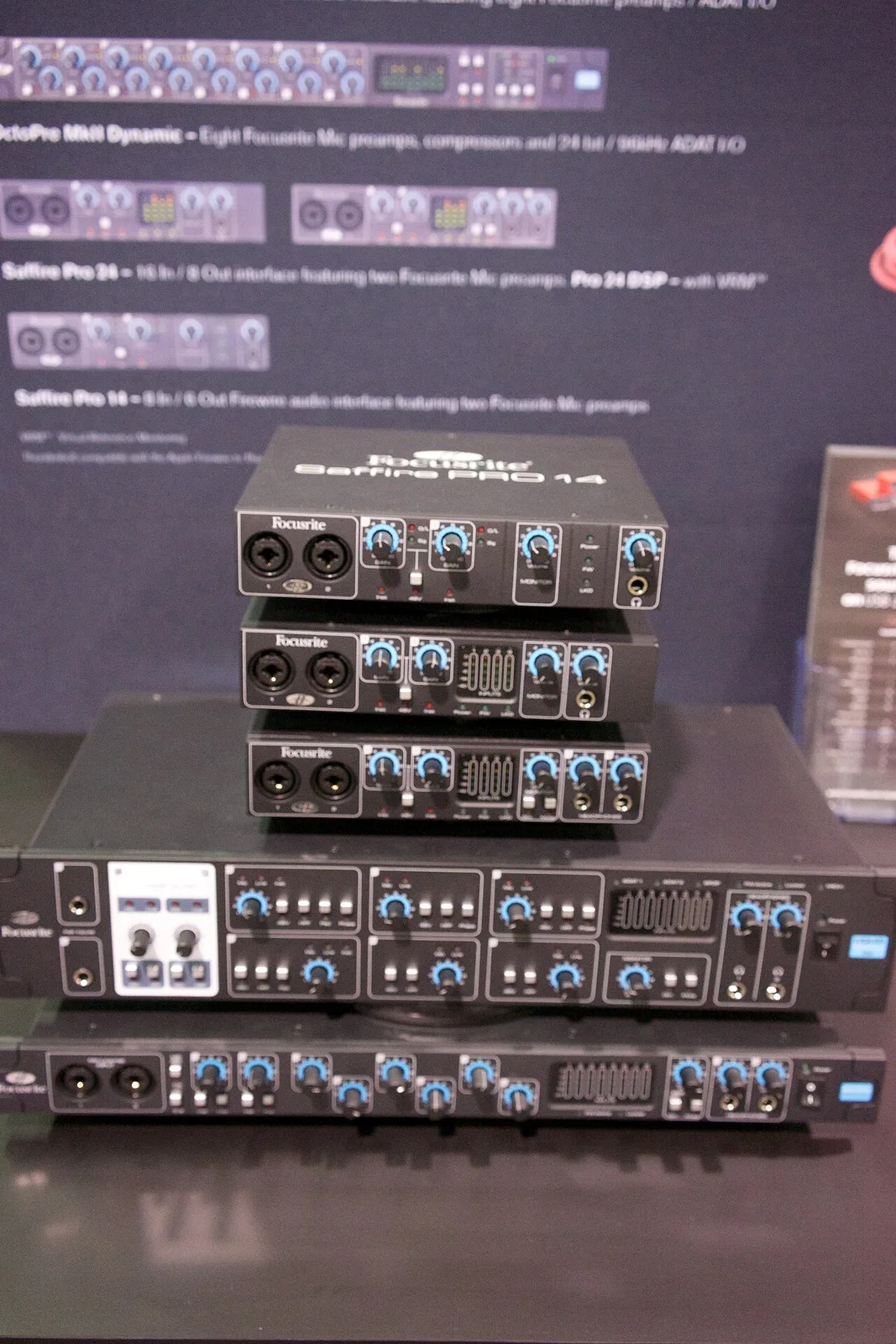
A free, open-source driver called ASFireWire can bring many FireWire audio interfaces back to life on Apple Silicon Macs running macOS Tahoe. The catch is trust: it is a young community project, and its developer says it does not belong on a Mac used for paid work.
Who it suits and who should wait
A spare Apple Silicon Mac and a FireWire interface sitting in a cupboard are the ideal starting point. A second room, an overdub station or a teaching rig would all make sense for a revived Saffire or Venice. Budget builders gain most: a Midas Venice F32 offers 32 channels each way, which is a lot of I/O for hardware that now sells cheaply.
Anyone delivering to broadcasters, labels or clients on deadline should stay away from it on the main machine. A low-level driver can still crash macOS or trigger a kernel panic, and the developer advises against paid sessions.
The source outlet has not tested ASFireWire, so it cannot speak to crashes, restarts or dropouts. It does say the driver is gaining fans in the audio community.
What the setup costs
The software is free and open source under the Apache 2.0 licence, so the real outlay is hardware and time. The reference setup is an Apple Silicon Mac on macOS 26 or later, with Apple's Thunderbolt 3 to Thunderbolt 2 adapter and its Thunderbolt to FireWire 800 adapter. Older FireWire 400 interfaces also need a 400 to 800 cable. Apple has discontinued both adapters, so they must be bought second-hand.
PCIe FireWire cards in a Mac Pro or a Thunderbolt chassis are harder. The driver currently recognises the controller inside Apple's adapter, and other chipsets need their IDs added before it will start at all.
Installation comes as a signed DMG. Take off any earlier build first, then launch the ASFW app, add the driver extension and approve it under Login Items & Extensions in System Settings. Version 0.6.0 build 33 is available now.
Interfaces confirmed and still pending
Compatibility depends on the protocol a device speaks, so the project sorts hardware by chipset and keeps tested units apart from those only enabled in code. The maintainer has personally confirmed audio on the Apogee Duet FireWire, the Terratec Phase 88 Rack, the Focusrite Saffire Pro 24 DSP, the PreSonus StudioLive 16.0.2 and the Midas Venice F32. On the Venice, switching the DAW between 44.1 and 48 kHz reprograms the desk live, with no reconnect.
Contributors have added more. The third-generation Avid Mbox Pro now works, and one contributor has run a Midas Venice F24 in real Pro Tools sessions. Version 0.6.0, published on 20 October, brought in Prism Sound's Orpheus, MIDI on DICE-based devices, and updates for the RME Fireface 400 and 800. The Fireface pair runs at 48 kHz in duplex but still needs owner reports, because the developer lacks the hardware.
Several popular units are recognised without passing audio yet: the Saffire Pro 26, Saffire Pro 40, Liquid Saffire 56 and the larger StudioLive 16.4.2, 24.4.2 and 32.4.2 mixers. Each needs a register capture from an owner. MOTU and Mackie support is being reworked, and no test report exists for Digidesign's 002 and 003.
How it got here
Apple pulled FireWire out in two stages. Ventura removed the FireWire Core Audio driver, which cut off class-compliant units such as the Apogee Duet. Interfaces with their own drivers lasted through Sequoia. Tahoe then deleted the whole stack, and RME said the Fireface 400 and 800 could no longer be used.
ASFireWire comes from developer Aleksandr Shabelnikov, who rebuilt the audio-relevant parts on Apple's DriverKit frameworks, which run outside the kernel. The driver is signed and notarised, and System Integrity Protection stays on. Earlier GitHub builds required SIP to be disabled, but the hosted build does not.
One latency figure, little context
The developer reports round-trip latency of 7.021 ms at 48 kHz on the Saffire Pro 24 DSP, and the driver's own measurement agrees with Oblique Audio's RTL Utility. The buffer size and the Mac models behind the number are not stated, so it is hard to compare. The documentation covers 44.1 and 48 kHz only.
Source: Production Expert