Rode NT1 5th Gen review: one condenser for USB-C and XLR rigs
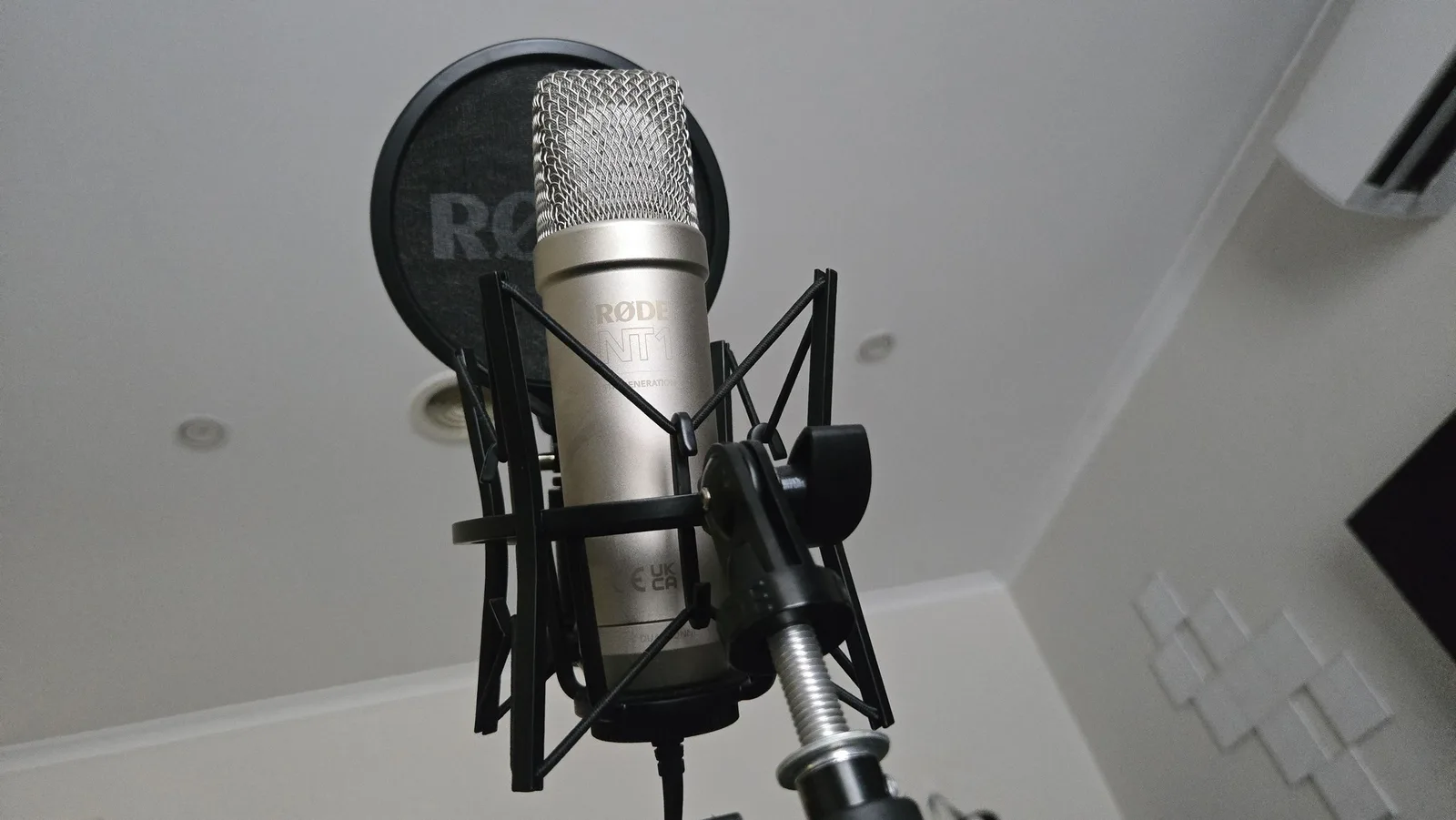
Rode's NT1 5th Generation is a large-diaphragm cardioid condenser microphone that can connect to a computer over USB-C or to an interface or mixer over XLR. It is listed at $250 in the US and A$420 in Australia. A reviewer who tested it for streaming, video calls and other PC use described it as a studio microphone that also happens to work well at a gaming desk.
Build and what comes in the box
The mic has an aluminium body with full mesh over the capsule and feels heavy in the hand. The package includes a shock mount, a pop filter, and both USB-C and XLR cables, but no stand; the mic uses standard threading for existing stands and arms. Key specifications:
- Type: large-diaphragm cardioid condenser
- Outputs: USB Type-C and XLR
- Sample rates: 48, 96 and 192 kHz
- Frequency response: 20 Hz to 20 kHz
Testing results
The reviewer reported a very low noise floor and clean, quiet recordings, with a warm tone that the NT1 line has long been known for among singers. As a sensitive condenser, though, it picked up ambient sounds at a level close to the voice, which they flagged as a problem for streaming out of the box. Rode's free Rode Central app, available over USB, fixed this for them: it adds gain control and a high-pass filter to cut background noise.
Rode markets the NT1 5th Gen as impossible to clip. In testing, the reviewer found it hard to make it clip without turning the gain up considerably, and noted that Rode's apps can recover or adjust audio when clipping does happen. The pop filter and shock mount kept harsh sounds down.
There are no controls on the mic itself, not even a mute button, so muting has to be handled in software. The reviewer explained this by the mic's design for studio use, where settings stay on the connected device rather than in the microphone. They suggested that gamers who only stream or chat could choose cheaper options such as the Amazon Basics USB Condenser or NZXT Capsule Elite, while those who also record music or other content would get more out of the dual connectivity.