Neumann M 50 V: reissue of the 1951 omni tube microphone
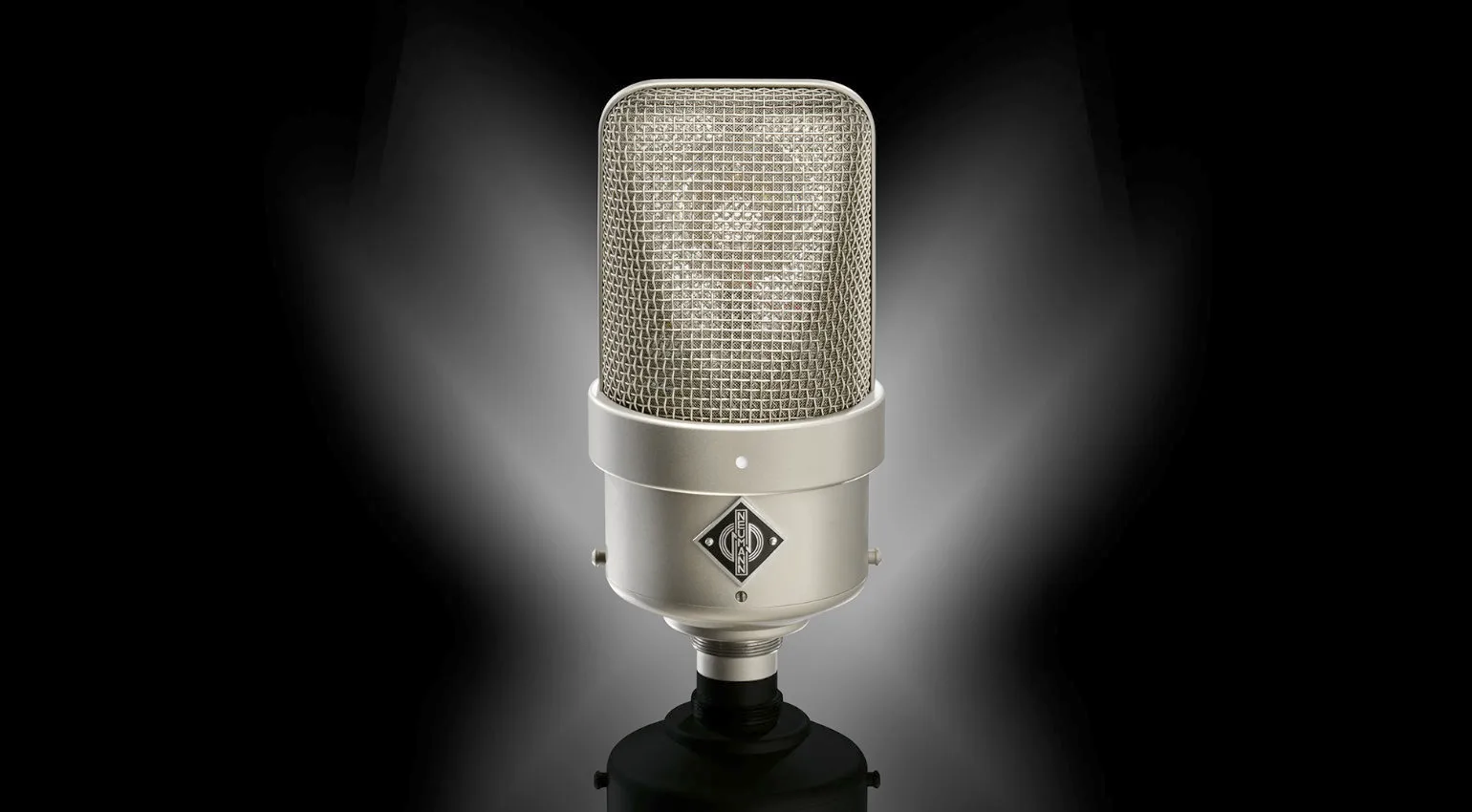
Neumann has released the M 50 V, a new version of the M 50 tube condenser microphone that first appeared in 1951. The original became a standard for recording orchestras and classical ensembles and helped shape the Decca Tree stereo technique, which engineers still use today.
What is new compared with earlier versions
The M 50 was previously reissued as the M 50 c. The M 50 V keeps the same circuit but changes several parts:
- Tube. An ultra-low-noise subminiature tube lowers the noise floor, which increases the usable dynamic range.
- Capsule. The K 33 Ti capsule has a light titanium membrane, which Neumann says improves transient response over previous reissues.
- Connector. The RF-proof connector from the M 250 C protects the signal against interference from Wi-Fi and mobile networks.
- Power supply. A newly designed high-voltage supply also works with older M 50 versions.
Pattern and intended use
The M 50 V is a pressure transducer with a fixed omnidirectional pattern. It is designed for recording in good acoustic spaces, where the room is meant to be part of the sound: strings, woodwinds, brass, drums and ensembles, especially in stereo setups such as the Decca Tree.
Neumann presents the M 50 V as a microphone for capturing instruments together with the ambience of the hall around them, rather than for close miking. The reissue keeps the classic pressure-transducer design of the original.
The M 50 V is sold as a set and is available on request. A retail listing puts the set at $11,690, £10,590 or €12,399.