Akai opens MPC and Force to custom plugins with a new SDK
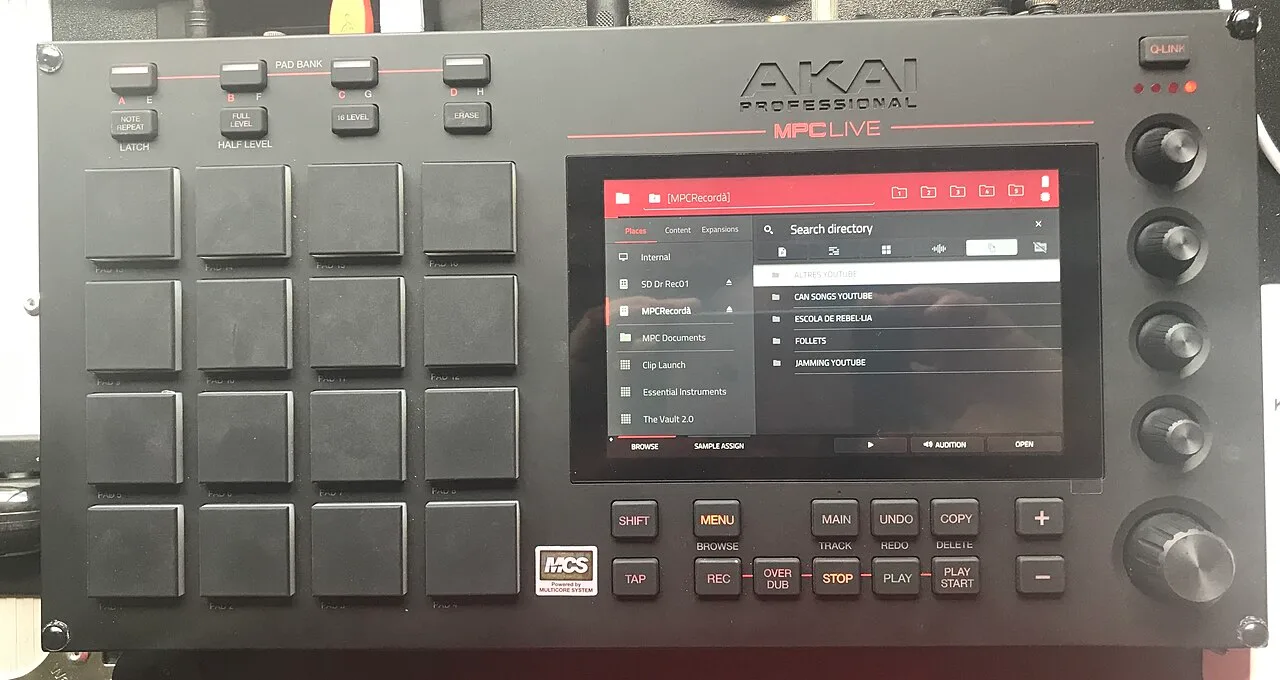
Akai now lets MPC and Force owners write their own plugins. The company released software update 3.10.1 together with an official SDK, a toolkit for developers.
Why Akai is doing this now
Hobbyists have long built their own firmware, mods and plugins. The source says AI-assisted "vibe coding" has sped this up in recent weeks. Communities now sometimes add features faster than the official developers can.
Hardware brands answer in different ways. Some ignore or block DIY firmware. Behringer and Polyend have moved to embrace community work. Akai says it wants parts of its line to become open source. It first signalled that while teasing the upcoming Sample Key hardware last month.
A middle path on open source
Behringer is promising a fully open-source approach for Kick, its MPC-like device, which has not been released. Akai is taking a more measured route. Users get hooks into chosen parts of the hardware, but nobody is asked to rebuild the whole system. MusicRadar compares this with Korg's approach to its Logue and Nu:Tekt instruments.
The AI question cuts both ways for the company. Akai Pro's Andy Mac said AI tools let Akai itself speed up parts of development. That does not mean a flood of updates to match the community. In his words: "Faster development doesn't mean taking shortcuts."
What 3.10.1 changes on the hardware
Besides the SDK, the update switches on the platform's "enhanced development" features. Plugin and track counts are no longer capped inside the hardware, and mice now work too.
A desktop computer can also show the screen and play the audio of an MPC or Force unit. MusicRadar expects that to suit streamers and content creators. Akai is launching two official plugins as well. One emulates the vintage SP-1200 sampler. The other is a channel strip in the style of the SSL SL 4000.
MPC Sample follows with its own SDK
The smaller MPC Sample moves to version 1.4. The release adds workflow features, community development support and an official SDK for building effects on the unit.
Unofficial mods came first on that device. One popular example, SampQOL, expands the track and effect counts. Since then Akai has said it is "already working alongside some of these new community developers, offering ongoing support". The source reads that as a hint that some mods may become at least semi-official. The company does not say so.
Source: MusicRadar