Budget YouTube Microphones for New Creators in 2020
New YouTube channels are rarely flush with cash, yet poor audio is one of the quickest ways to lose viewers. This roundup is written for exactly that situation: a beginner who wants decent sound without a big outlay. Microphones come in several families, such as lavalier, shotgun, condenser and USB, and that the right choice depends on the kind of content being made. Its ten picks, chosen from buyer ratings and feedback, lean heavily on simple USB models that work without extra hardware.
Ten affordable microphones for YouTube
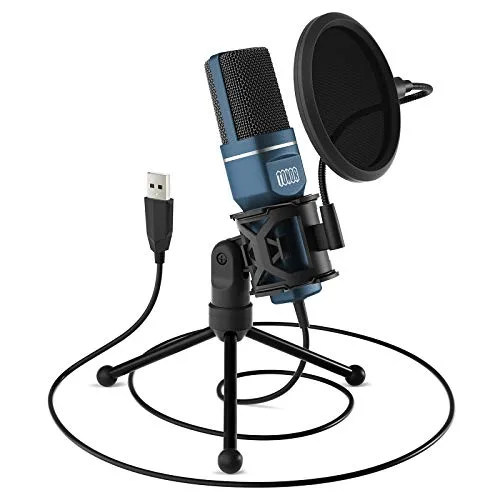
- TONOR USB Microphone — the top choice, presented as a complete starter pack with a quick setup, an attractive colour scheme, a removable shock mount and plug-and-play operation. The review said it is not great for conference calls.
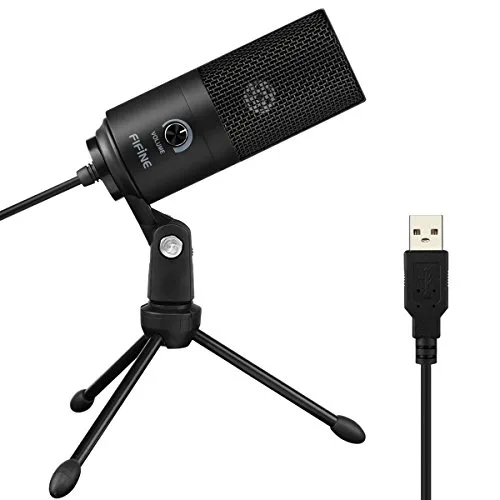
- Fifine Condenser Microphone — a metal USB mic for PC and Mac at around 50 dollars, with a tripod, adjustable angle and volume control. It has no mute button and does not work with phones or Xbox.
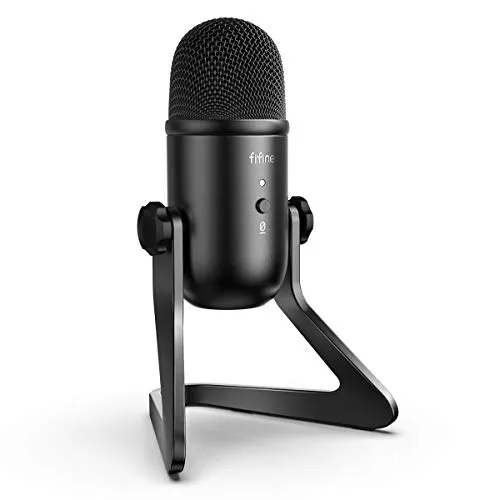
- FIFINE USB Podcast Microphone — a heavy, driver-free mic on a metal stand with a headphone jack, gain control and an instant mute button. Some control issues were mentioned.
- Blue Snowball iCE — a condenser with a 40 Hz to 18 kHz range that easily beats built-in computer mics. The bundled desk stand is short and flimsy, so a different tripod is a good idea; it also lacks gain control, a mute button and a headphone output.
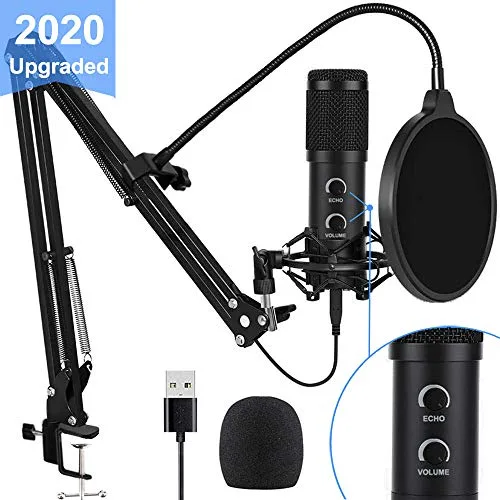
- FIFINE Studio Condenser Mic — a kit for indoor vlogging with a pop filter, windscreen, scissor arm with desk clamp and a volume knob. The downsides were background noise pickup and limited durability.
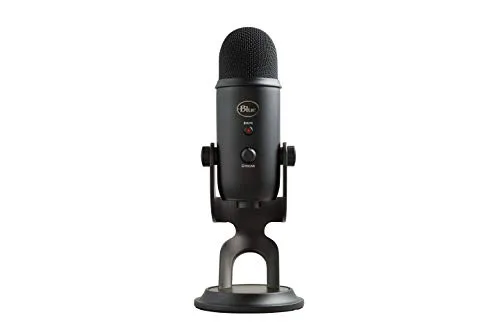
- Blue Yeti USB Mic — a three-capsule, four-mode USB mic that records at 16-bit / 48 kHz across 20 Hz to 20 kHz, comes in several colours and is addressed from the front rather than the top. Complaints included a faulty mute button and weak after-sales support.
- Bonke USB Microphone — a stable plug-and-play mic with a sound chipset that suppresses room noise and a good set of accessories. It does not work with Skype or with phones.
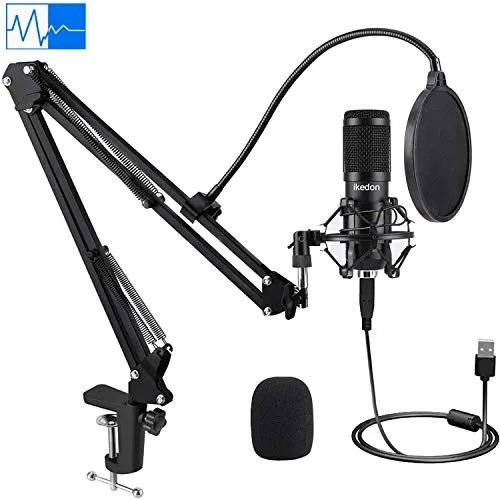
- Ikedon YouTube Microphone — a condenser with a windscreen and a sturdy arm stand for hands-free recording, recommended for songs, podcasts and interview shows. It costs more than others on the list and lacks clear instructions.
- MAONO USB Microphone — a metal mic with an LED gain display and two selectable pickup patterns, recording at 16-bit / 48 kHz. The review considered it expensive and not ideal for vlogging.
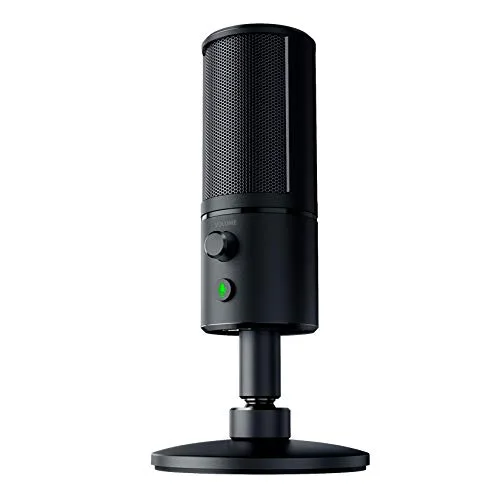
- Razer Seiren X — not really cheap, as the review admits, but offering built-in noise reduction and zero-latency monitoring with an easy setup. The main con was a price considered too high for the feature set.
How the roundup sums it up
From the full list, the review recommends three models for different reasons:
- TONOR USB Microphone as the best overall YouTube microphone of the year.
- Blue Yeti USB Mic as the easiest to install.
- Blue Snowball iCE for a sleek look that suits a creator’s desk.
Reading across the pros and cons, a few practical lessons emerge. Check which devices you plan to record on, because several of these mics were reported not to work with phones, Xbox or certain apps. Look at the controls you actually need, such as a mute button, gain knob or headphone jack, since budget models often leave one of them out. And consider whether the bundled stand and filters are good enough, or whether you will end up replacing them.
The final advice: pick the mic that fits their content and start recording, since even a modest USB microphone is a clear step up from a laptop’s built-in one.