Goulding, Muni Long and Timbaland join a wave of manager suits
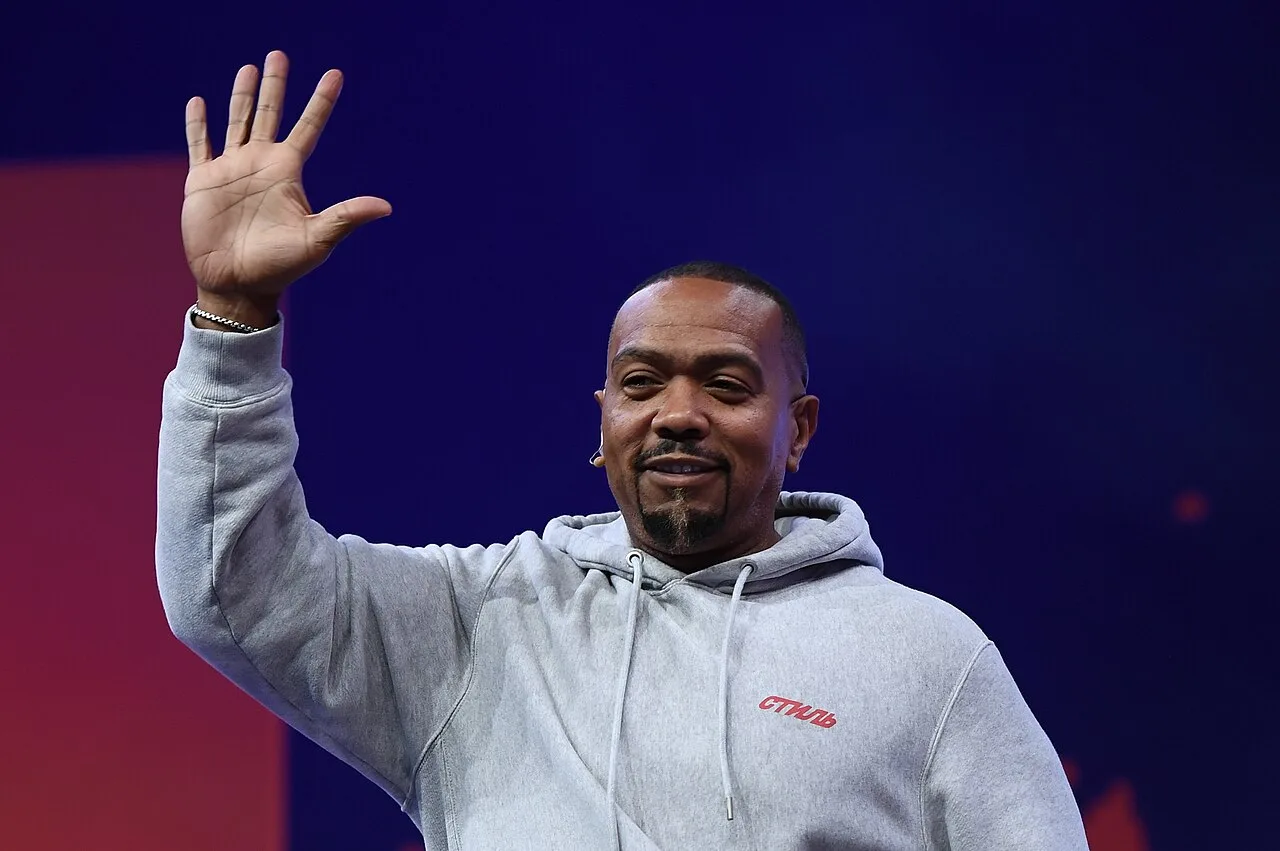
Artists are suing their managers in unusual numbers, and Timbaland is the newest name on the list. Ellie Goulding, Sara Landry, Muni Long and Andra Day have all filed cases, and Chance the Rapper has just been through a trial.
Money sits under almost every dispute
David B. Jonelis, an attorney who represented the singer Jena Rose against her managers, says "almost every artist-manager dispute is driven by one thing: money." Some fights can't be prevented. A manager who secretly took millions in royalties will not be stopped by any contract.
Timbaland's case against Gary Marella
Timbaland's attorneys sent notice in August 2025 that he was firing his longtime manager, Gary Marella. Timbaland sued in a Los Angeles court last month, claiming Marella "stole millions in unauthorized commissions, fees, and reimbursements" and falsified financial records to hide it. Marella denies this. He says the producer is trying to put the blame for his own overspending on someone else.
A foreclosure notice on his home, Timbaland says, is what made him start digging. He says the review found unauthorized payments, concealed credit-card arrangements and loans he never knowingly agreed to.
Deals built on a handshake
Chance's dispute with manager Pat Corcoran turned on a verbal deal. Muni Long says she never signed a written contract with her former managers Chaka Zulu and Jeff Dixon. Precious S. Jacobs, an attorney at Jenner & Block who represented Chance at trial, says relationships now tend to be shorter, yet they still run on a handshake.
Written terms are the fix Jonelis points to. They can cover what income is commissionable, what happens to commissions once the partnership is over (the so-called "sunset" phase), and whether a manager keeps any ownership stake in the music. Negotiating them with a friendly adviser may be awkward, he says, but it removes ambiguity about pay.
Claims that run both ways
Sara Landry's former managers sued her in London this summer for wrongful termination. She answered with counterclaims and a U.S. lawsuit alleging they tried to seize control of her music rights and her label. The Long and Chance cases are two-way fights too.
Andra Day's former manager accused her last year of refusing to honor terms that gave him 40% of her publishing royalties and 20% of other profits. She sued back, claiming he siphoned more than $1.6 million from her.
Conflicts of interest are another source of friction. Goulding sued her former managers in August. She says they failed to disclose a conflict after Live Nation became the owner of their parent company.
Why the relationship turns personal
A manager is meant to work as an artist's personal CEO and take the business headaches off the client's plate. The cut is often north of 15% of earnings. That works for both sides when things go smoothly. When they don't, the fight can feel more like a divorce than a business dispute, partly because the two spend so much personal time together. Jacobs says they are sometimes close friends.
Such fights are not new. The Rolling Stones spent years in litigation with Allen Klein after parting ways in 1970, and Billy Joel filed a $90 million suit against ex-manager Frank Weber in 1989. Coldplay has just finished a long court battle with Dave Holmes, who managed the band for more than two decades.
What stands out is the number of cases involving big artists. Jonelis suggests AI and social media have given artists easier access to information about how the relationship should work.
Source: Billboard