Startups brace for less Nvidia money after Huang exit
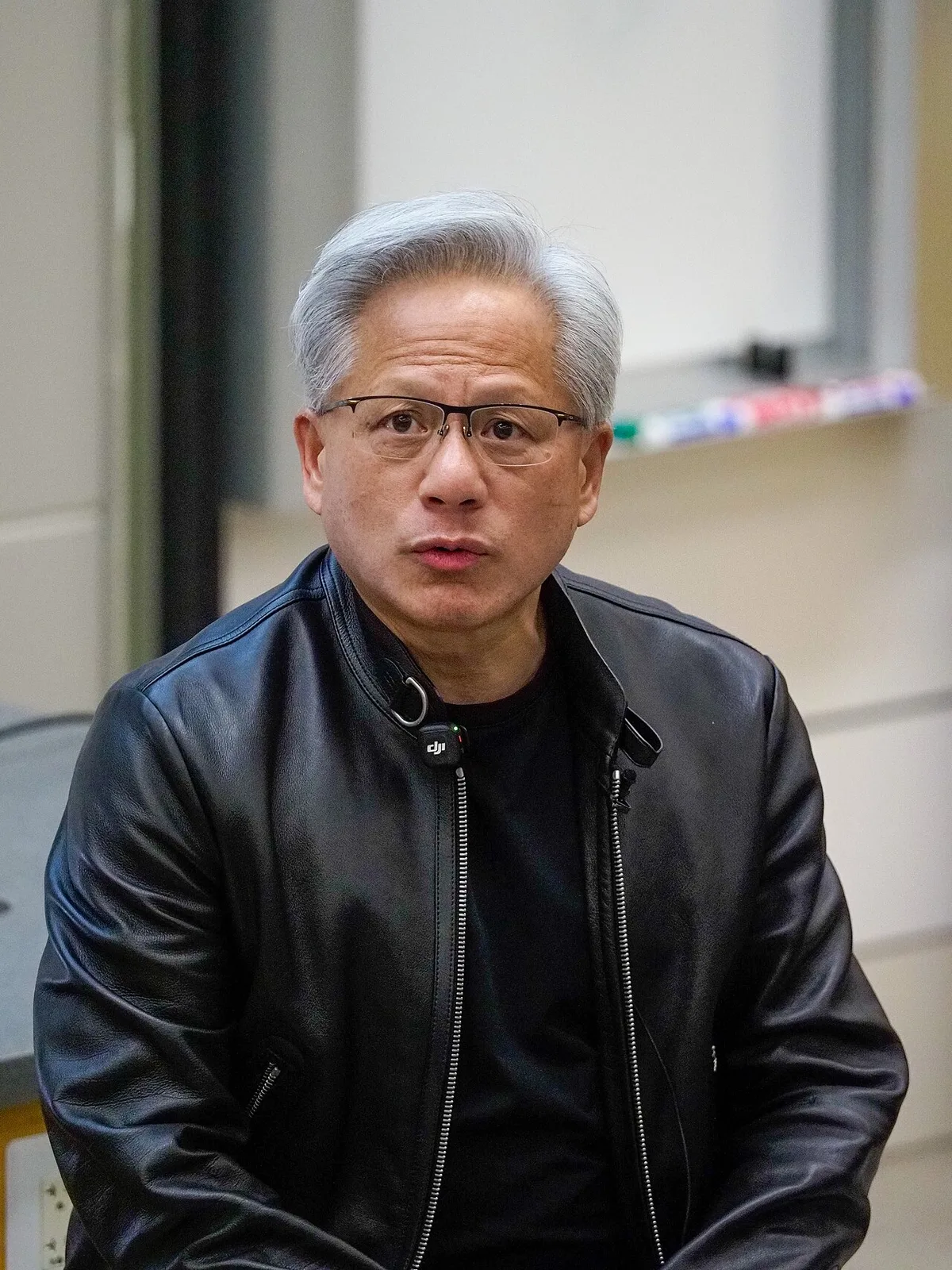
Nvidia has been one of the biggest backers of AI startups, and its co-founder just stepped down as CEO. Investors told TechCrunch that the money flowing to young companies could slow.
A resignation after 33 years
Jensen Huang co-founded Nvidia and led it for 33 years. He is now out, described as embattled in the report. “It’s like a bomb went off,” one neocloud founder said when the news first reached him.
Colette Kress is the interim CEO. Investors expect her to change how Nvidia invests in startups. One of them described her as far more cautious in how she would invest.
How much Nvidia has been investing
Nvidia put tens of billions of dollars into startups each year in recent years. This year alone it joined 105 funding rounds, according to PitchBook, often as the largest investor.
It backed CoreWeave while that company was still private and joined two Crusoe rounds, including the $1.4 billion Series E. It also holds stakes in Mistral AI, Lambda and Black Forest Labs. Nvidia agreed to buy Hugging Face this year for $13 billion, and that deal is expected to close in 2027.
Last year it wrote an $800 million cheque into a $2 billion Series B for Reflection AI. The Wall Street Journal reported that this came before the open-source startup earned meaningful revenue.
Why founders and VCs are nervous
Umesh Padval of Seligman Ventures said many big startup bets came from Huang himself. Dawn Capital's Shamillah Bankiya put it this way: “Nvidia is carrying almost every AI-native startup from application to neocloud.”
Investors also point to Nvidia's presence on a cap table as a signal. Padval said that with Nvidia on the cap table, everyone felt safe. One VC described a common pattern under Huang. An infrastructure company needing $100 million to $500 million in GPUs would raise about half from Nvidia, at valuations of $1 billion or more.
The expectation now is that Nvidia will be more selective with new companies and write smaller cheques into its existing portfolio. That could pull valuations down. Traditional VCs may think twice, and some may pause dealmaking.
Bankiya also raised the geographic angle. She said Huang believed in open source and in Europe. Losing that support outside America would leave a massive funding and ecosystem gap in Europe that no one can fill.
Who could fill the gap
There is a flip side, TechCrunch writes. Nvidia was so dominant that it sometimes felt like a monopoly. Its generous cheques tied startups to its chips, which reinforced its market position. If it pulls back, rivals and smaller competitors get more room. TechCrunch notes that Google announced two new chips this week.
Some investors hope big cloud companies and other chipmakers will step in. Dharmesh Thakker of Battery Ventures expects Big Tech rivals to compete for Nvidia's role. The winner, he said, depends on who offers the best product, ecosystem and community to rival CUDA, plus the money to fund it. CUDA is Nvidia's software platform for running AI models on its GPUs.
Thakker doubts that Google, Amazon, Microsoft or AMD would write hundreds of millions of dollars into pre-revenue infrastructure startups the way Nvidia did. They may back more mature companies to drive adoption of their own chips and clouds.
Few see the slowdown in Nvidia's investing, on its own, bringing the whole AI boom to a halt. Amulya Vishwanath, a former Nvidia employee who now runs her own VC fund, said the ecosystem is bigger than one person.
Source: TechCrunch