Shotgun Mics for Indie Filmmakers and DSLR Shooters in 2021
Shotgun microphones used to be gear for film and TV crews, but by 2021 they had spread to independent filmmakers and vloggers who want clean sound from a camera rig. This guide picks ten models with compactness, recording quality and budget in mind, drawing on buyer opinions as well. First, the basics: a shotgun mic is shaped a little like a gun barrel, uses a highly directional (often super-cardioid) pattern, and catches what it is pointed at while ignoring most of what surrounds it.
Ten shotgun microphones in the guide
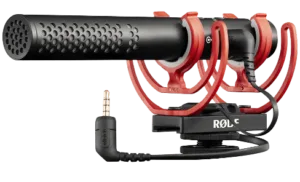
- Movo VXR10-PRO (editor’s choice) — a compact super-cardioid mic for phones and DSLRs that needs no battery, backed by a one-year warranty and US-based support. Fitting it into the shock mount is fiddly, and the review said you cannot monitor audio live.
- Rode NTG2 — a light condenser (5.7 ounces without battery) that runs on battery or phantom power, with a 20 Hz to 20 kHz response and an 80 Hz high-pass filter. It works on a camera or a boom pole; it has no on/off switch and costs more.
- Audio-Technica AT875R — a very short, slim shotgun with a narrow pickup angle, built for broadcast and video. It runs only on phantom power and comes without cords.
- Audio-Technica AT897 — an 11-inch model with smooth, natural sound, a switchable low-frequency roll-off and both battery and phantom operation. The review noted its higher price and the lack of an off switch in battery mode.
- TAKSTAR SGC-598 — a very cheap condenser aimed at interviews with Canon, Nikon and DV cameras over a 3.5 mm jack. Buyers mentioned mounting trouble and a hiss that can be fixed.
- Audio-Technica ATR-6550 — an affordable super-cardioid with two range settings: Normal for close and medium distances and Tele for far subjects. Handling noise and the missing power light were the drawbacks.
- LyxPro CMG-50 — a light super-cardioid with a switchable high-pass filter, battery or phantom power, a foam windscreen and a pouch. Its switches are stiff and cables are not included.
- PIXEL MC650 — the budget kit pick, bundling a furry deadcat for outdoor wind and a foam cover for indoors, a three-step gain control, high-pass filter and cables. Batteries are not supplied.
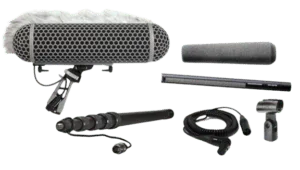
- Sennheiser MKE 600 — sold as an ultimate kit with an Audio-Technica AT8415 shock mount for poles and stands. It offers strong directivity, a low-cut filter, battery or phantom power and a low-battery indicator; the only con was the price.
- Moukey MCM-1 — a cheap aluminum vlogging mic that works with cameras, recorders, phones, tablets and laptops, shipping with TRS and TRRS cables. It draws power from the device and needs a separate mount for phones.
The guide’s final top three were the Movo VXR10-PRO overall, the Rode NTG2 for broadcasting and the Audio-Technica AT875R as the best compact option. It also cleared up a common confusion: a boom mic is simply a shotgun mic placed on a long pole, and vloggers favour these mics because their directionality keeps wind and street noise out of outdoor footage.
Buying points the guide highlighted
- Directionality — a narrow pickup is the main reason to buy a shotgun mic and should come first.
- Low self-noise — the mic itself should add as little hiss as possible so quiet sounds stay clean.
- Sensitivity — high sensitivity helps with soft, quiet sources; work that does not involve them can manage with less.
- Size and portability — short models suit vloggers and travel, while filmmakers may prefer longer ones.
- Budget — filmmaking shotguns often run 200 to 600 dollars, but most models on this list sit around the 100-dollar mark and pair well with DSLRs and mirrorless cameras.
With options from bare-bones vlogging mics to a full professional kit, the list gives most creators a sensible starting point for cleaner on-camera audio.