Podcast Microphones in 2021: Ten USB Picks From Budget to Blue Yeti

Anyone starting a podcast soon asks which microphone to buy, and the answer depends on four things: the pickup pattern, the connection type, the sound quality and how much you are willing to spend. Using those criteria together with buyer feedback, this guide brings together ten models. Nearly all of them are USB microphones that plug straight into a computer, and most sit in the budget-to-midrange bracket, which makes the list especially relevant for beginners.
Ten microphones for podcasting
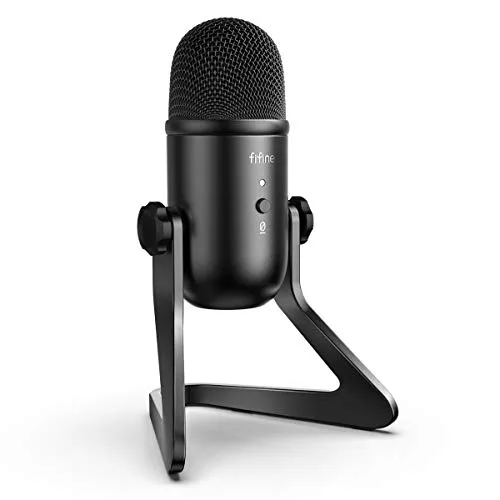
- FIFINE USB Podcast Microphone — the top pick, a compact and sturdy USB condenser with a wide frequency response and a headphone jack for monitoring, placed at roughly the 100-dollar level. The only drawback was the lack of extra accessories.
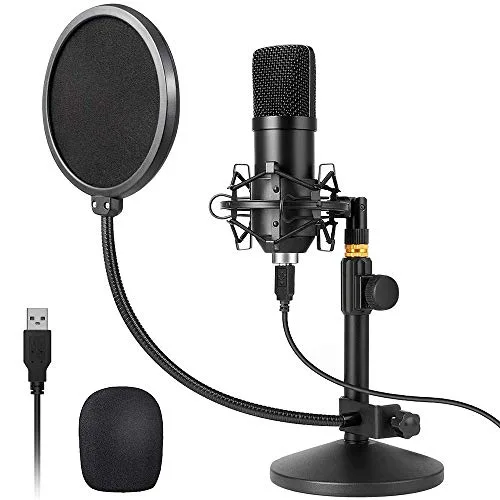
- MAYOGA USB Microphone — a cardioid kit with a windshield, aimed at people building a home studio for about 50 dollars. The bendable arm gave trouble and the accessories were not very durable.
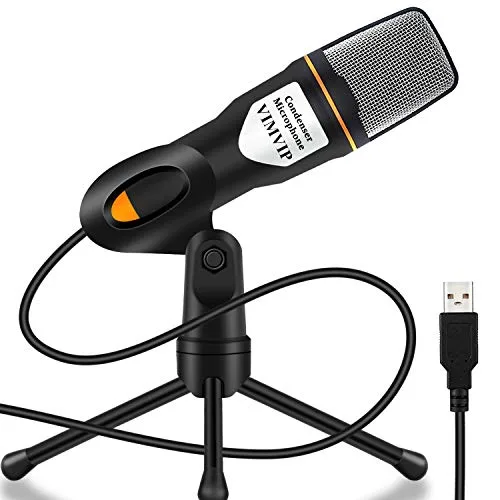
- VIMVIP PC Microphone — a roughly 20-dollar USB mic with a stand, a large condenser capsule and noise reduction. The review saw it as a great entry point, though not a tool for professionals.
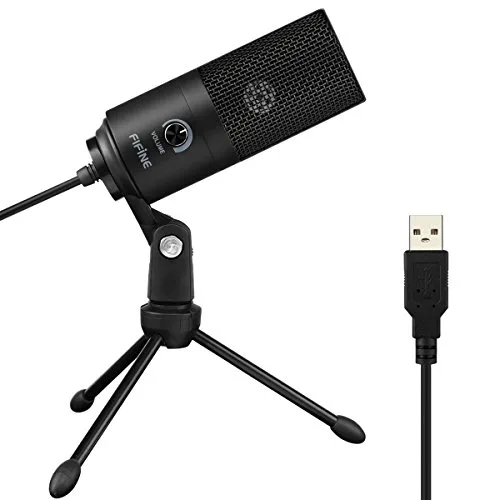
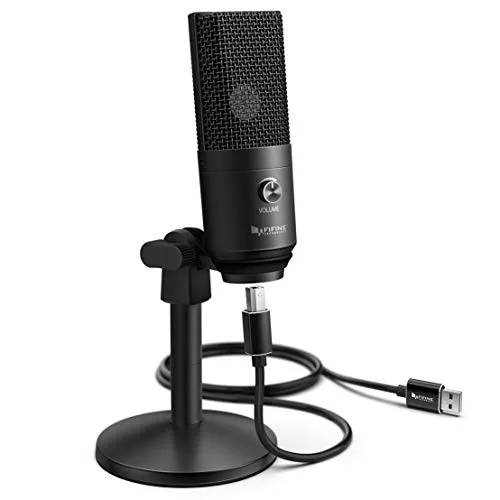
- Fifine Metal Microphone — an all-metal super-cardioid USB mic with a volume knob, singled out as the pick under 50 dollars. Connection problems were reported, and it was not recommended for iOS devices.
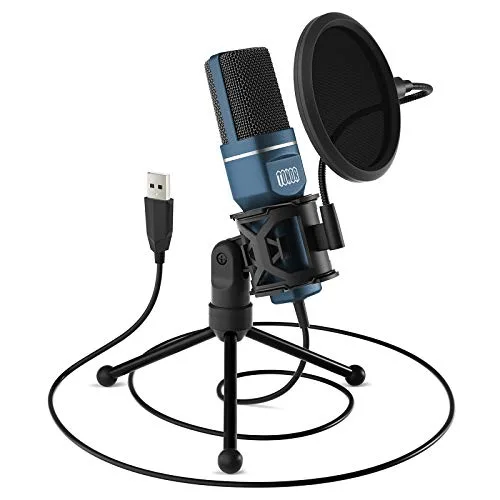
- Tonor USB Microphone — a USB 2.0 mic with a stand and windshield, priced at no more than 40 dollars and suited to streaming as well. Plosive pops were its weak point.
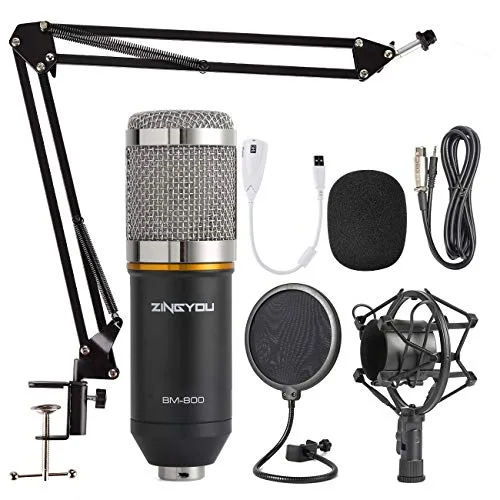
- ZINGYOU Condenser Microphone — a complete under-50-dollar studio bundle with a sensitive thin diaphragm and wide frequency response. It does not work with Macs.
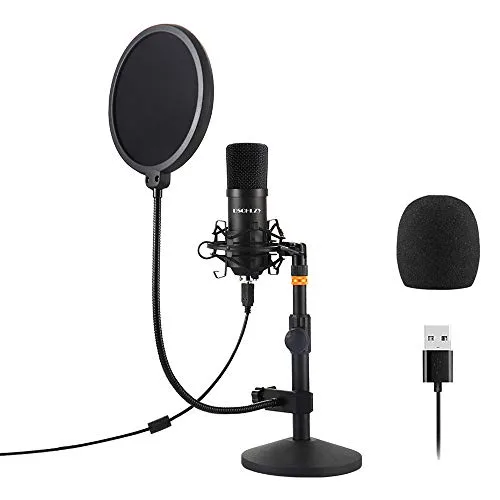
- Dschlzy Streaming Microphone — praised for working with computers, Macs and instruments alike, and for a three-layer filter (two acoustic layers plus wind foam). It is not compatible with Xbox One.
- Fifine Microphone (headphone monitoring model) — a compact, durable cardioid USB mic with a stand; the review felt it was less suited to beginners.
- MAONO USB Microphone — a cardioid USB mic with a touch mute button, a gain knob and a full set of podcast accessories at a fair price. Customer service was the complaint.
- Blue Yeti USB Mic — described as an all-rounder with three condenser capsules, working with Windows and Apple devices for podcasts, games, streams and music. The review found no drawbacks at all.
The review’s final recommendations
After weighing expert opinions, buyer feedback and its own research, the guide boiled the list down to three:
- FIFINE USB Podcast Microphone as the best podcast mic overall.
- Blue Yeti USB Mic for anyone who wants one microphone for many jobs.
- VIMVIP PC Microphone as the cheapest way to get started.
A few patterns stand out across the list. Cardioid and super-cardioid models dominate because they favour the voice in front of the mic and leave room noise behind. USB connection keeps setup simple, which the review repeatedly treats as a plus for newcomers. And bundles with stands, arms and windscreens were valued, although several of the cheapest kits drew complaints about the quality of those very accessories. Compatibility is also worth checking: some models were flagged for trouble with Macs, iOS devices or Xbox.
The bottom line is simple: clear sound is the main payoff of a proper podcast microphone, and it helps keep listeners engaged, whichever budget you start from.