Best XLR Microphones of 2021 for Podcasts, Streams and Gaming
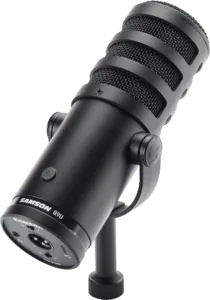
XLR microphones stay popular because the connector works with a huge range of audio gear, from mixers and interfaces to instruments, which makes them a natural fit for podcasts, streams and commentary. This roundup chose ten models after weighing durability, compatibility, pickup pattern and budget, and also went through thousands of buyer reviews before settling on the list. Nearly every entry is a cardioid (unidirectional) design meant to focus on the speaker and suppress room noise.
The ten XLR models reviewed
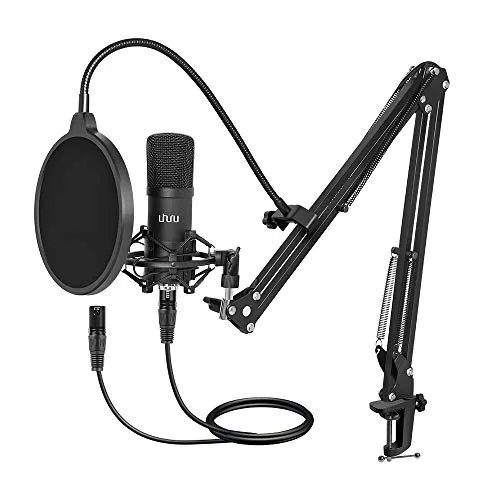
- UHURU XLR Condenser Microphone — 20 Hz to 18 kHz, sold as a full kit with a scissor arm, metal shock mount, two-layer pop filter, windscreen and XLR cable. The review liked its smooth, natural sound and complete bundle, but 48V phantom power and an adapter cable for laptops or phones are not included.
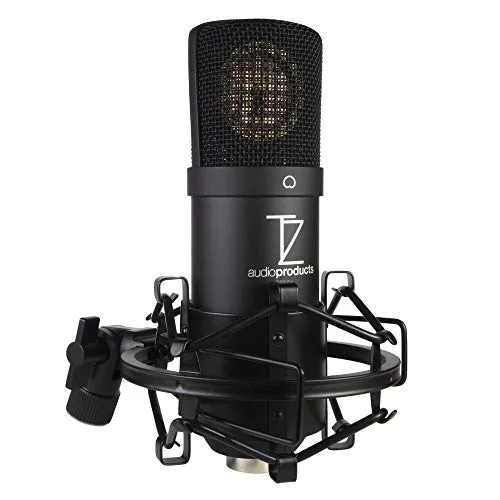
- TZ Stellar X2 — a large-diaphragm cardioid condenser with capsules the maker says use Japanese Mylar and brass, a transformerless circuit with German parts and an iron body. It ships with a flight case, shock mount and pouch. The roundup praised its neutral, hand-tuned sound and noted the higher price.
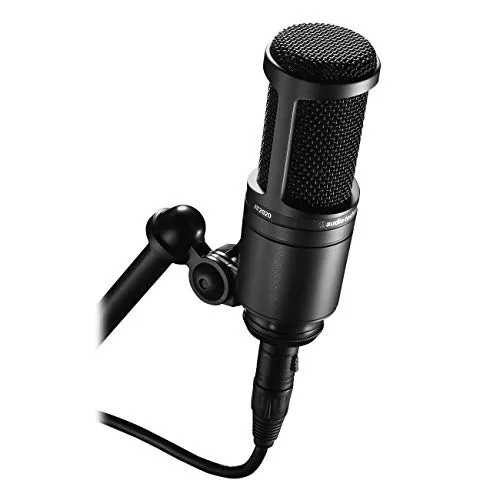
- Audio-Technica AT2020 — a 20 Hz to 20 kHz studio condenser with a low-mass diaphragm, high SPL handling and wide dynamic range, which had dropped under 100 dollars on Amazon. The only drawback listed was the missing XLR cable.
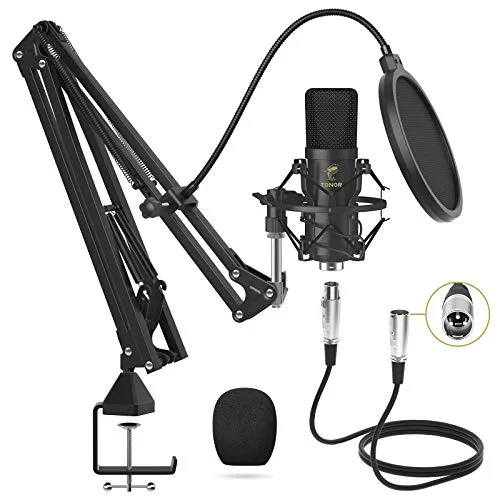
- TONOR Professional XLR Mic — a kit with a T20 boom arm, shock mount, pop filter and a 2 m cable, praised for warm sound and off-axis rejection. You still need an interface to reach a computer.
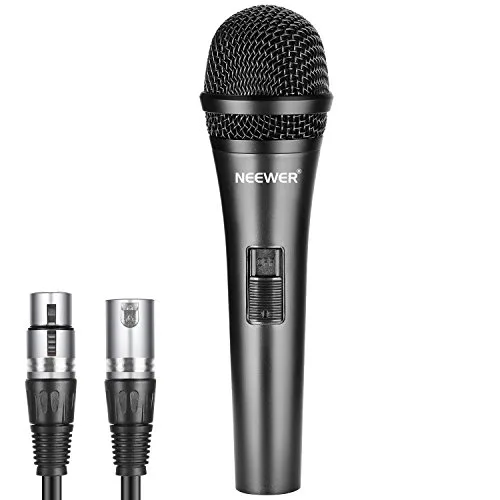
- Neewer Cardioid Dynamic Microphone — the cheapest pick, a solid metal dynamic mic with low handling noise and a cable in the box, though it comes without any mount.
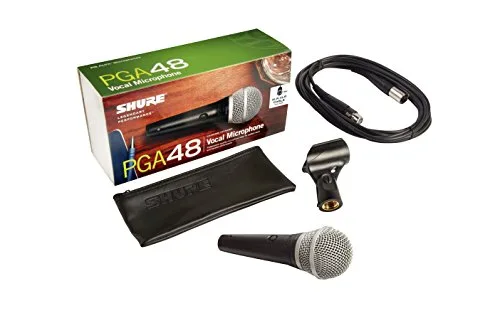
- Shure PGA48-XLR — a budget dynamic vocal mic, 70 Hz to 15 kHz, with an on/off switch, stand adapter, cable and zip pouch. It can be noisy when hand-held and has no foam or pop filter.
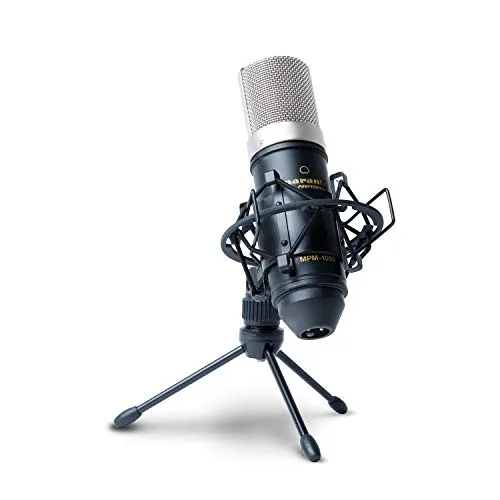
- Marantz Pro MPM1000 — named the podcasting pick, a 20 Hz to 20 kHz condenser bundled with a windscreen, shock mount, desktop tripod and cable. It has no USB and may need a separate interface.
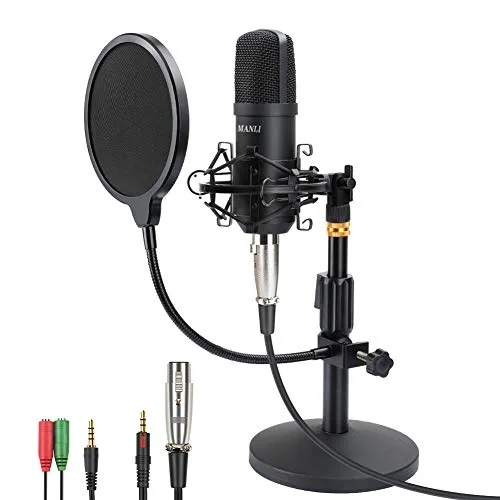
- MANLI Condenser Microphone — 30 Hz to 16 kHz with a headphone jack for live monitoring and anti-noise technology, aimed at karaoke, Discord and Skype. No desk arm is included.
- Shure SM58-CN — the classic cardioid dynamic vocal mic, 15 Hz to 15 kHz, with a pneumatic shock mount, built-in spherical wind and pop filter and a break-resistant stand adapter that turns 180 degrees. The review called it the go-to choice for live singing; it lacks real-time monitoring and an adapter cable.
- Blue Microphones Ember — a compact side-address condenser, 38 Hz to 20 kHz, with a hand-tuned capsule and eye-catching design. Only a stand mount is in the box: no cable and no shock mount.
The review’s top three and what to watch for
The roundup closed by naming three standouts, based on buyer feedback, budget and expert opinion:
- UHURU XLR Condenser Microphone as the best overall.
- TZ Stellar X2 for those willing to spend much more on a top-rated mic.
- Audio-Technica AT2020 as the strongest budget option.
One pattern runs through the cons across the whole list: an XLR microphone rarely works on its own. Several models arrive without a cable, condensers need phantom power, and plugging into a computer usually means buying an audio interface or an XLR-to-3.5 mm converter. Before choosing, it is worth checking what sits in the box and what extra gear your setup will need.
Taken together, the list spans cheap dynamic mics for live use, complete condenser kits for home studios and a premium hand-tuned option, so readers can match a model to both their purpose and their budget.