Discord Microphones Compared: 12 Picks for Gamers and Streamers
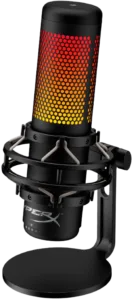
Discord has become a daily tool for streamers, YouTubers and competitive players, and big names such as Shroud, ChocoTaco and PewDiePie use it to stay in touch with their audiences. After roughly 30 microphones were tested, twelve made this list, judged on sound clarity, ease of use and extra features, and named the HyperX QuadCast as the overall favourite.
Twelve microphones that made the cut
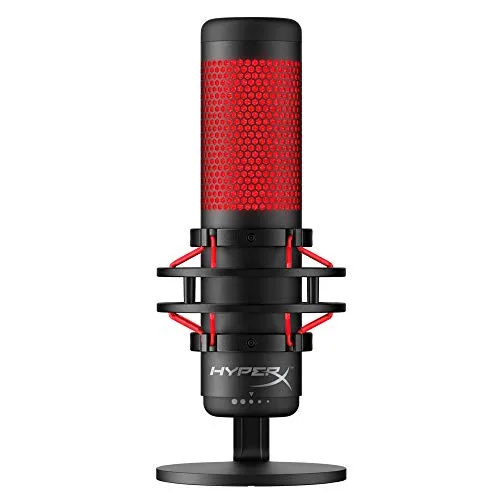
- HyperX QuadCast (editor’s choice) — USB, 20 Hz to 20 kHz, four selectable polar patterns, anti-vibration shock mount, tap-to-mute with LED and on-mic gain. The only complaints were a flashier look than expected and a corded power supply.
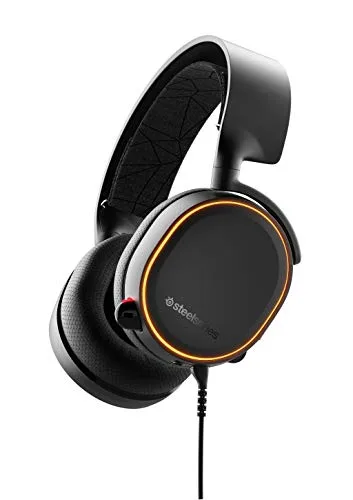
- SteelSeries Arctis 5 — a headset rather than a desk mic, suggested for cramped desks. Its ClearCast bidirectional mic, noise cancellation, surround sound and inline chat mix dial earned praise; technical support was the weak spot.
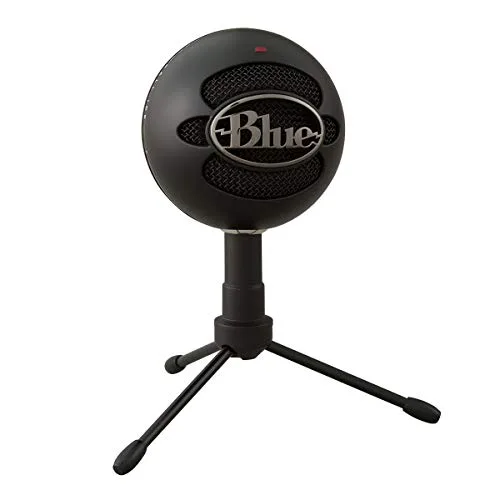
- Blue Snowball iCE — a ball-shaped USB condenser with a 40 Hz to 18 kHz range that needs no drivers. Downsides: it is USB 2.0 and its design did not win the review over.
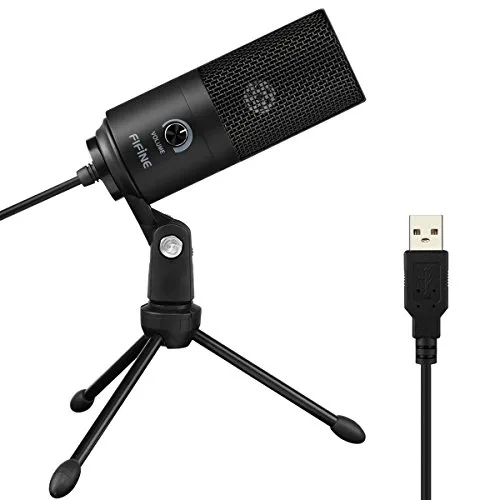
- Fifine Metal Microphone — a sturdy metal cardioid mic on a tripod with a long USB cable and a volume knob. Customer service and the mounting accessories were rated only average.
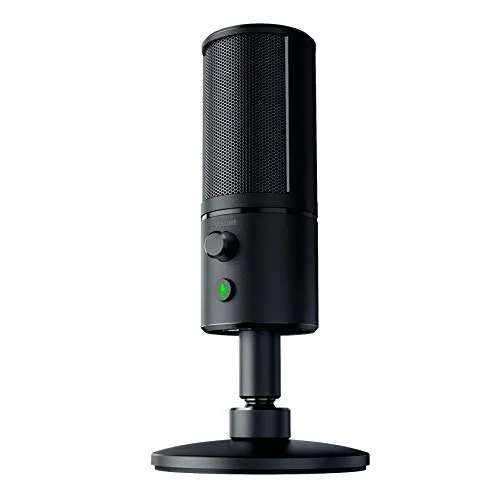
- Razer Seiren X (gamers’ choice) — a light aluminum super-cardioid mic with a built-in shock mount and zero-latency monitoring. It tops out at 48 kHz and was judged a poor fit for vloggers.
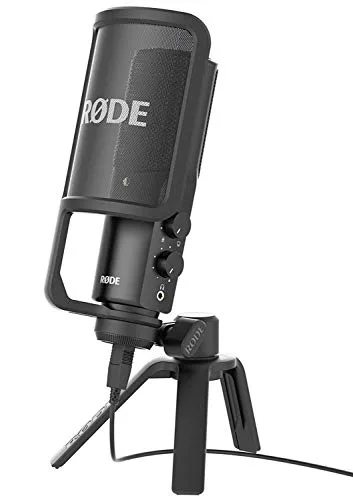
- Rode NT-USB — billed as the best value, with an 82 dB signal-to-noise ratio, a pop shield, tripod, ring mount, 6 m cable and storage pouch. Its swivel is plastic.
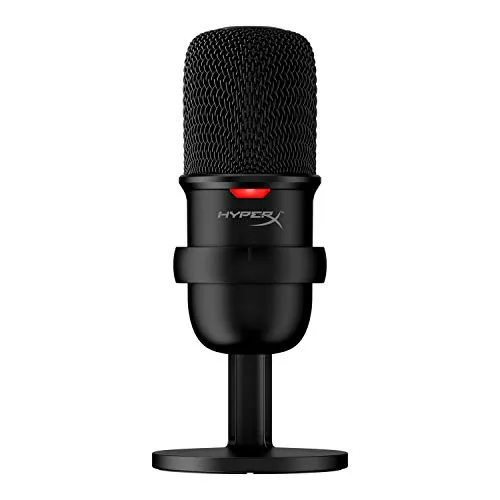
- HyperX SoloCast — a compact cardioid mic with tap-to-mute, an LED status light and a flexible stand that fits 3/8 and 5/8 inch threads; it is certified by Discord and TeamSpeak. Some units reportedly arrived faulty.
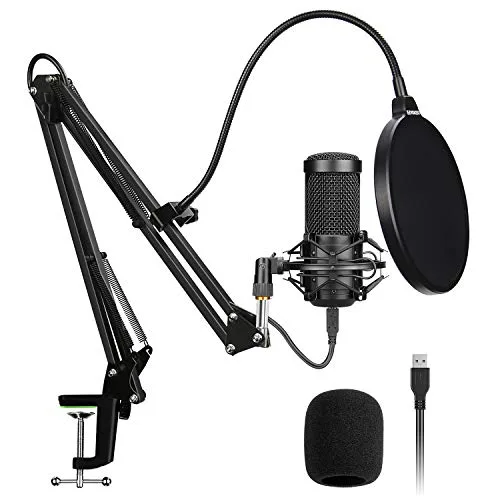
- Aokeo AK-60 — a full kit with an adjustable arm, suspension shock mount, two-layer pop filter and desk clamp. It needs a lot of free desk space.
- Blue Yeti USB — four pickup patterns plus controls for headphone volume, gain, pattern and mute. The review flagged its 16-bit depth and slow driver updates.
- Elgato Wave:3 — a USB-C condenser with up to 24-bit / 96 kHz conversion, Clipguard distortion protection and the Wave Link app for mixing several sources. It felt less stable than rivals.
- Shure SM7B (streamers’ choice) — an XLR dynamic mic with a flat, wide frequency response, hum rejection, air-suspension isolation, bass roll-off and mid-range boost. No major issues were reported beyond occasional defective shipments.
- TONOR Condenser Microphone — the budget pick and an Amazon best seller, a plug-and-play USB cardioid mic with a tripod, pop filter and mini shock mount. Volume cannot be adjusted on the mic itself.
The final top three were the QuadCast as the overall winner, the Arctis 5 as the best headset option and the Seiren X as the quality pick at a reasonable cost.
What to check before you buy
Five things are worth weighing:
- Sound quality — speech should come through without distortion; Fifine, Razer and HyperX were named as reliably balanced brands.
- Pickup pattern — a cardioid or super-cardioid mic keeps the focus on the speaker and leaves room noise out.
- Compatibility — the mic will likely serve streaming and podcasting too, so it should work across Windows and Apple systems.
- Mounting accessories — a bundle with a stand, adapter and windscreen saves the cost of buying them separately.
- Ease of use — plug-and-play setup and simple adjustments matter more than extra complexity.
It is also worth knowing that built-in laptop mics are too poor for Discord, that sound can be tuned under Voice and Video in the app’s settings, and that large streamers mostly rely on the Shure SM7B while gamers lean toward the QuadCast or Seiren X. For tighter budgets, the review also points to the Fifine and the Snowball iCE.