Karaoke Microphones for Every Singer: Ten Picks Reviewed (2021)
Karaoke is one of the easiest ways to turn an evening into a party, and the microphone decides whether the crowd hears a voice or a muddy blur. This roundup goes through ten karaoke mics grouped by budget: premium wireless systems for people who sing seriously, mid-range sets for intermediate singers, inexpensive cordless models for beginners, and a final pair aimed at children. Here is how each one fared.
The karaoke microphones and what the review said
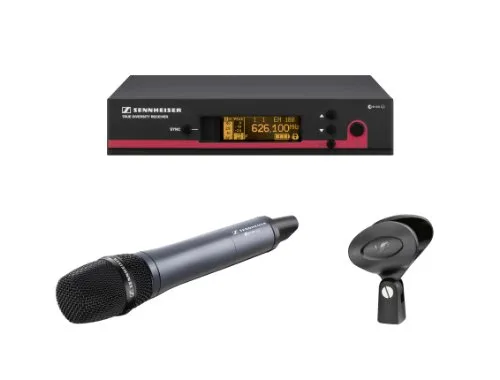
- Sennheiser EW 165 G3 – the editor's choice. A complete wireless kit with transmitter and receiver, an automatic scan that finds free frequencies, a 48 MHz bandwidth and a wide set of accessories. The review praised its rugged build and clear sound, and suggested it for clubs and bars, but called it expensive and too much for beginners.
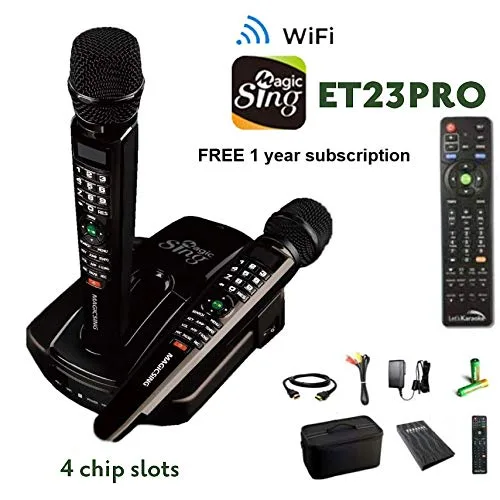
- Magic Sing ET23PRO – a wireless set with Wi-Fi setup and access to more than 12,000 English song tracks. It includes two cardioid wireless mics with buttons for switching tracks. The review liked how quickly it sets up and thought it suits both pros and newcomers; the downsides were cost and poor compatibility with the latest sound systems.
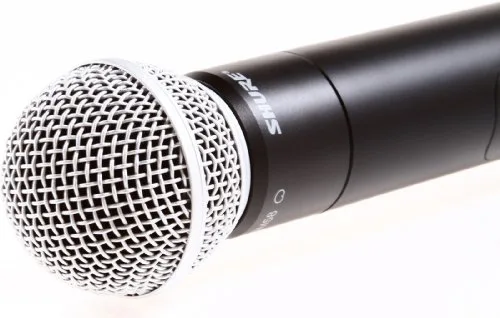
- Shure SLX2/SM58 – an ergonomic handheld transmitter with clean, noise-free output and around eight hours of battery life. Its big limitation is that it only works with XLS wireless systems.
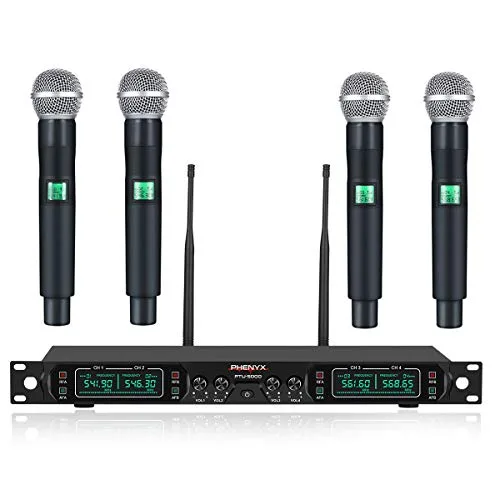
- Phenyx Pro PTU-5000A – a receiver plus four handheld mics working in the 530–580MHz range, with LED indicators for battery and frequency. Recommended for karaoke groups; the only complaint was that it is far from compact.
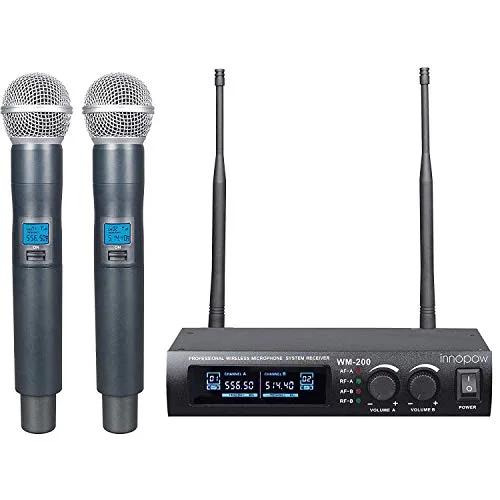
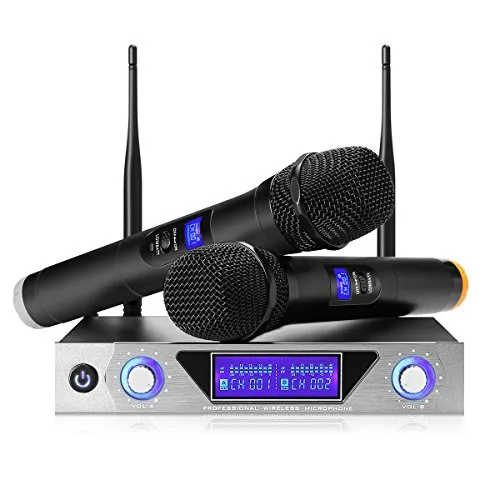
- innopow WM200N – a budget cordless set with two mics and a range quoted at 150–200 feet. The review liked its build and broad compatibility, but noted static noise and one mic performing worse than the other.
- NASUM Karaoke Microphone – a compact transmitter with an LED panel, unidirectional handheld mics and a 98-foot range. Judged not ideal for professionals and slow to set up.
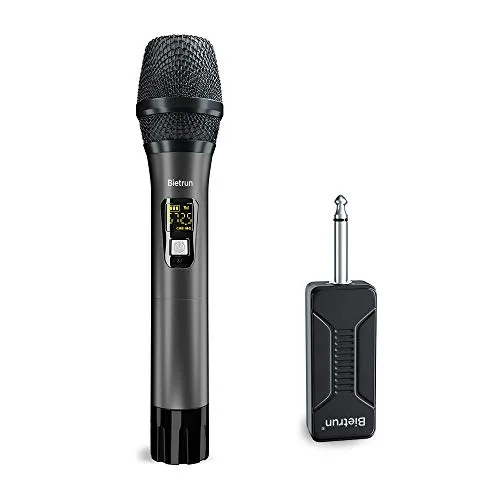
- Bietrun Wireless Microphone – singled out as the cheapest pick, a plug-and-play mic with a rechargeable battery, an adapter for AUX or XLR systems and a range of about 260 feet. The review found no major drawbacks.
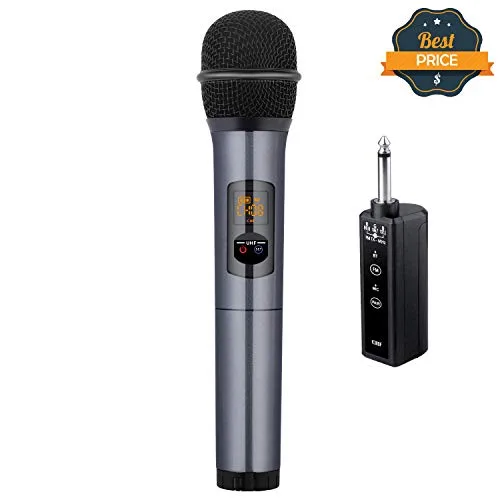
- Kithouse K380F – a Bluetooth karaoke mic with an LED indicator, rechargeable battery and 50-foot range. Its receiver, however, cannot run on battery power.
- BONAOK Q37 – a light Bluetooth mic for kids that also connects by cable, takes a 32GB micro SD card for tracks, reaches about 10m and has a 2600 mAh battery. Strictly a beginner's device.
- TONOR Karaoke Mic – a wired dynamic cardioid mic with a metal body and a 15-foot XLR cable, usable with AUX through an adapter. Good for kids and teens, though it is not wireless and the quality is somewhat limited.
The short version of the verdict: buy the Sennheiser if money is no object, the Phenyx Pro for a long-term setup on a moderate budget, and the BONAOK Q37 if a child wants a Bluetooth mic.
Choosing a karaoke mic
The review's buying advice rested on three points:
- Know your level. A beginner can be happy with an inexpensive mic, while someone performing at a professional level should expect to spend more.
- Look for a cardioid pattern. It keeps the singer's voice in front and cuts background noise and distortion, which the review considers the most important feature.
- Check compatibility. Mics link to a sound system over radio frequencies, Bluetooth or XLR cable, and even a premium model is useless if it cannot talk to your equipment.
Beginners in particular should favor a mic with flexible connection options, since that makes it easier to plug into whatever system is at hand.