Choir Microphones for Churches and Studios: Ten Picks Compared (2021)

Recording a choir is a different job from recording a single voice. A group of singers spreads across a stage or a church loft, so the microphone has to gather a wide sound while still keeping the room noise down. This roundup argues that a proper choir mic needs two things above all: a sturdy body that survives being moved from venue to venue, and a directional pickup pattern, usually cardioid, that keeps the focus on the singers. It then sorted ten models into three budget tiers, from tools aimed at professionals down to starter options for small congregations.
The ten choir microphones in the review
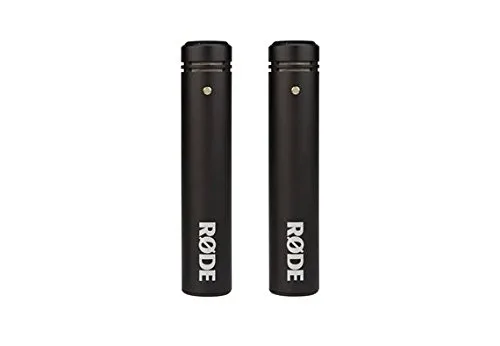
- Rode M5-MP – the editor's choice and the top pick overall. It is a matched pair of cardioid condenser mics with the same settings, which suits stereo choir recording. The review praised its low-noise design, full frequency response, very low sensitivity rating (quoted as 1dB) and tough build, but called it a little expensive and not a beginner's tool.
- Peavey VCM 3 – a compact cardioid condenser with a back-electret element, meant for church services and live sessions. It ships with an XLR cable that can be adapted to aux or USB. The one complaint was the 10-meter lead, which the review considers too short for big rooms without an extension.
- Samson C02 – a pencil condenser praised for a light yet durable body, wide frequency response and resistance to distortion. It arrives as a full kit with a carrying case. The only drawback named was the price.
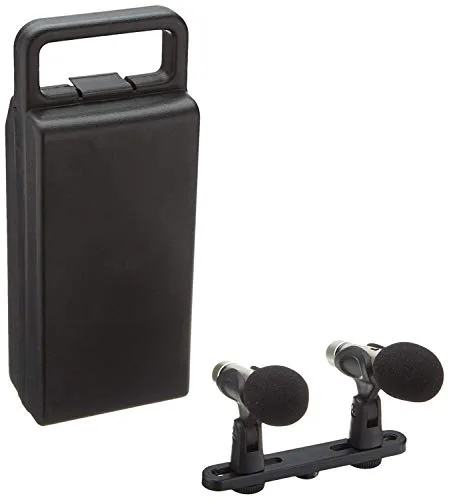
- Behringer C-2 – the first of the mid-budget picks: two matched condensers with a low-mass diaphragm, a unidirectional pattern and a carrying case. The review noted it is not intended for live sound.
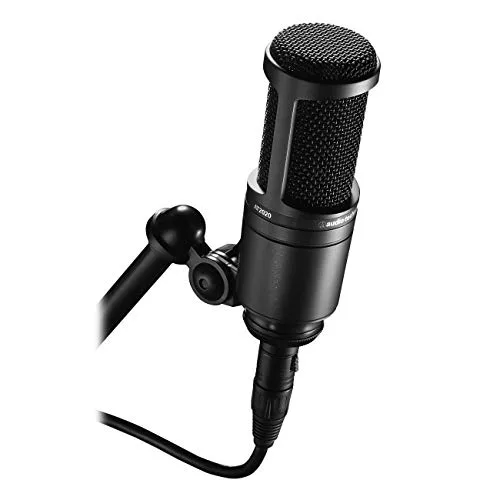
- Audio-Technica AT2020 – a compact cardioid condenser with XLR output and a low-mass diaphragm, recommended for both choir and studio vocals. The review warns that many sound systems need an adapter for XLR, and that some background noise still gets through.
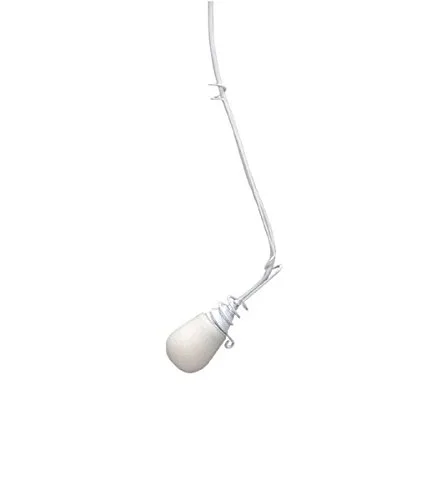
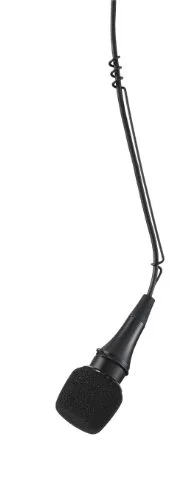
- Shure CVO-B/C – an overhead model with a tailored frequency response and CommShield protection against radio interference. The listed weak spot was that problems with the second mic were common.
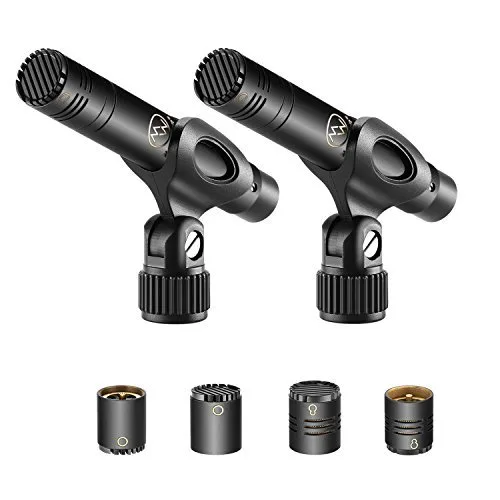
- Neewer Condenser Microphone – a two-pack with a super-cardioid pattern, swappable capsules and a mic clip, useful for vocals and acoustic instruments as well as choirs. Occasional popping was its noted flaw.
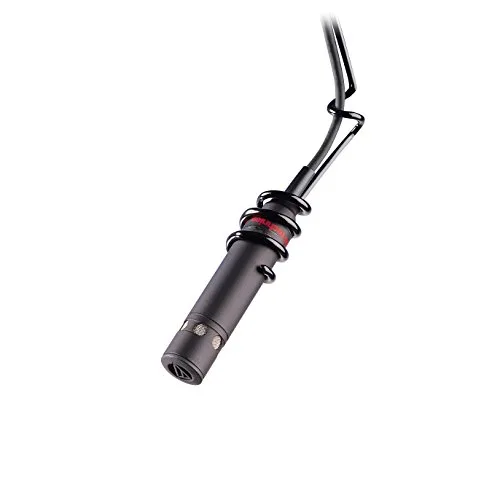
- Audio-Technica PRO 45 – a hanging cardioid condenser that suspends above the singers. It was liked for its solid build and easy hookup, though feedback can appear and it needs readjusting before each use.
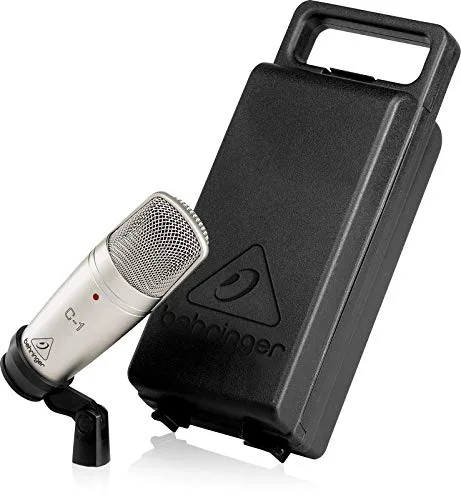
- Behringer C-1 – a cheap large-diaphragm cardioid with a pressure-gradient transducer. The review sees it as fine for small churches and schools but steered professionals toward the AT2020 or the Rode pair instead.
- Samson R21 – the cheapest entry: a set of three dynamic, unidirectional mics in a protective case. It was described as fitting small churches and weddings, not professional work.
For readers who could not decide, the roundup boils the list down to three suggestions: the Rode M5-MP for professionals wanting a long-term tool, the Samson C02 for a paired setup, and the Behringer C-1 when money is tight.
What to check before you buy
Choosing well comes down to three questions:
- Pickup pattern. This comes first. Cardioid or super-cardioid mics capture sound from the direction they are pointed and reject much of the surrounding noise and distortion, which is exactly what a choir setup needs.
- Build quality. A mic that dies after a week or two wastes the savings that went into it, so durability should rule out a model no matter how cheap it is.
- Budget. Choir mics span a wide price range, and the review's view was simple: the more you spend, the more features you get, so decide what you can afford before shortlisting.
The bottom line: churches, schools and studios all benefit from a microphone built specifically for group singing, and that it pays to read through every option before settling on one.