Best Microphones for iPad in 2021: Wired and Wireless Options
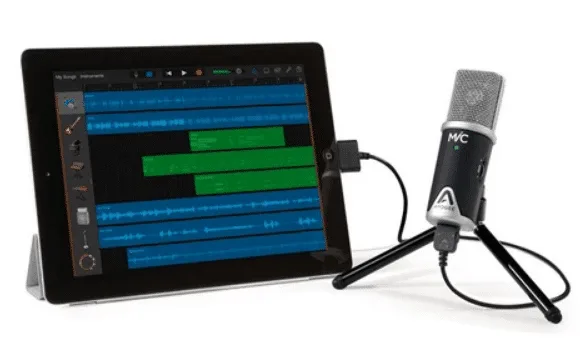
Even an expensive iPad struggles when it comes to recording good audio for video, and this buyer's guide takes that weakness as its starting point. Its answer was an external microphone, and it split the options into two groups: wired mics that plug into the tablet directly or through a TRRS jack, and wireless systems that free you from cables. Ten models were covered across different budgets and uses, from indoor vlogging to interviews, podcasts and school or church settings.
Wired and wireless picks
Wired microphones
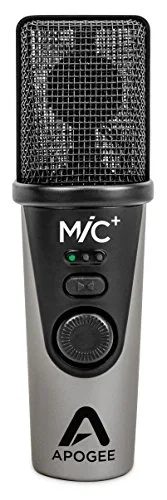
- Apogee MIC PLUS – the editor's choice and the top wired pick. An upgrade over the earlier 96K model, it is a condenser mic with digital preamp gain, a headphone output for monitoring and a stand, and it works without any configuration. It was recommended for indoor vlogs; the price was the only complaint.
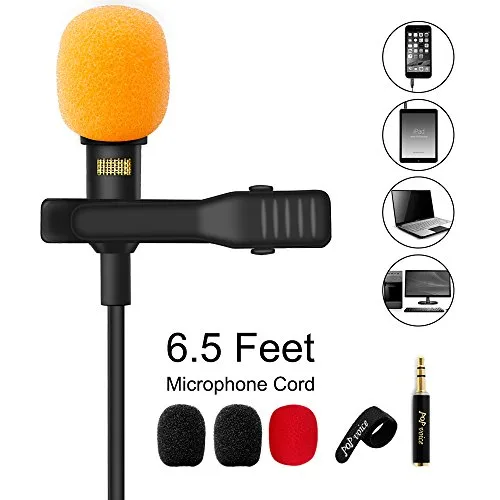
- PoP voice Lavalier Microphone – a small, inexpensive clip mic for interviews with a 6.5 ft cord, a TRRS jack and an extra adapter. The reviewer, who bought one, praised its clean sound and durability and listed no real downsides.
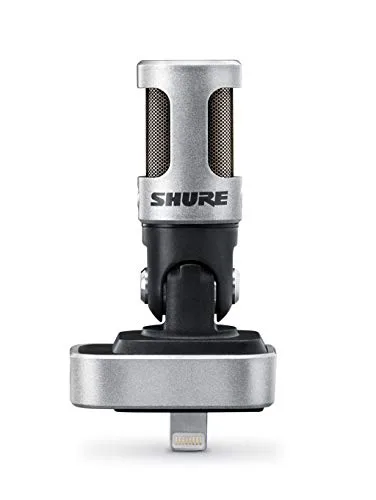
- Shure MV88 – a pocket-sized mic that plugs into the Lightning port and can be tilted or flipped. It offers five presets (acoustic, singing, instrument, loud and flat) and works with the free MOTIV Audio and MOTIV Video apps. Suited to travel vlogs, but pricey and not aimed at beginners.
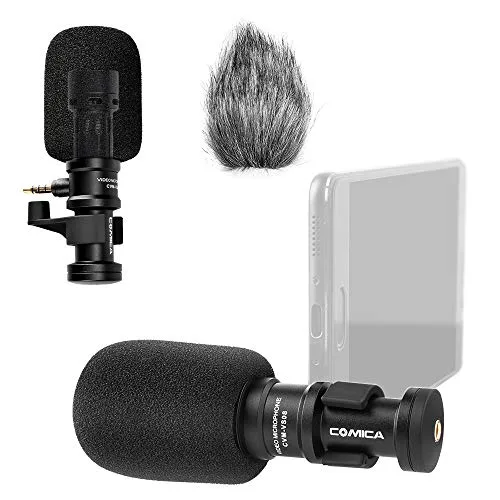
- Comica CVM-VS08 – a compact cardioid mic with a TRRS plug plus an adapter for the iPhone 7, 8, X and iPad, playback monitoring through earphones, anti-interference technology and a fixing clamp. The reviewer considered the wind muff pointless, as the mic records well without it.
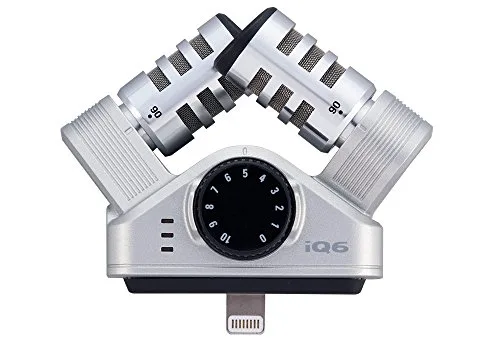
- Zoom iQ6 – an XY stereo mic on a Lightning connector whose two capsules tilt between 90 and 120 degrees, compatible with devices from the iPhone 5 to various iPads. Usable indoors and outdoors, though bulkier for travel. Downsides were digital blips and an awkward app.
Wireless microphones
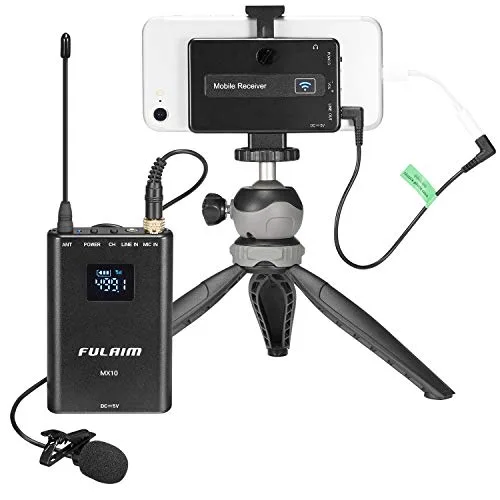
- FULAIM MX10 – the top wireless pick, with a 164 ft range, four radio frequencies, LED screens on both units showing battery, frequency and recording time, headphone monitoring and a clamp. Setup was described as a bit messy.
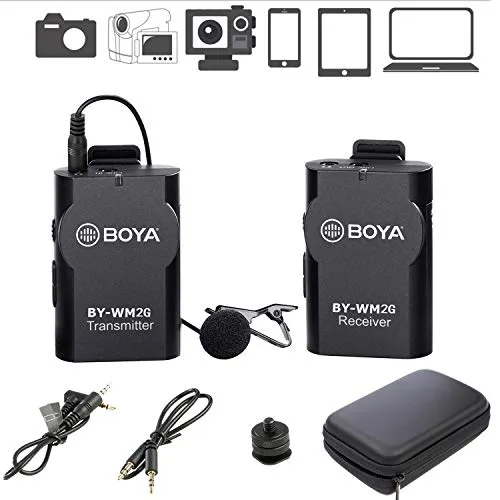
- BOYA BY-WM2G – a compact belt-clip wireless lavalier with cardioid pickup and around 5 to 6 hours of battery, suitable for YouTube, weddings and lectures. It has no screen and costs a bit more.
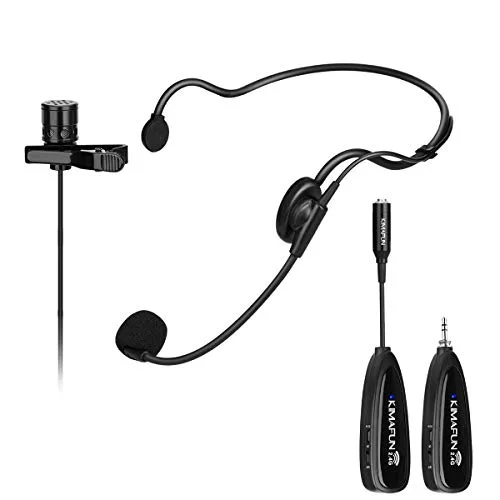
- KIMAFUN G102 – a headset-style wireless mic for iPhones, iPads and DSLRs with a super-cardioid capsule and a 40 to 65 ft range, recommended for podcasts and tight budgets. Setup was not simple.
- Alvoxcon Microphone – a transmitter, receiver and headset mic bundle with noise cancelling and an LED indicator, aimed at YouTube videos and podcasts. It does not work with Bluetooth speakers.
- ZHUOSHENG Microphone – a wireless cardioid mic for iPhones, iPads and DSLRs with real-time monitoring, anti-jamming technology and roughly 10 hours of battery. Noted mainly as pricey.
Choosing the right type
The guide's framing suggests a few questions to settle first. Do you film mostly indoors at a desk, where a condenser like the Apogee shines, or on the move, where a pocketable Lightning mic like the Shure MV88 or Comica makes more sense? Are you recording other people, in which case a lapel mic or a wireless system with good range is more practical? And how much setup are you willing to tolerate, since several wireless kits were criticised for fiddly configuration?
The author ended with three suggestions: the Apogee Mic Plus for indoor vlogs, the PoP voice lavalier as the cheapest capable option, and the FULAIM MX10 for anyone who wants to go wireless. The broader point was that weak audio is often what holds mobile videos back, so a dedicated mic is a worthwhile upgrade.